
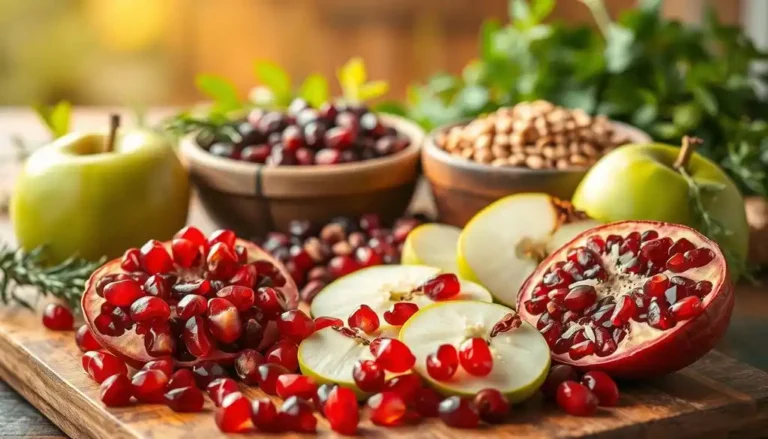
Most people can name sweet, salty, or sour without hesitation. But astringent taste food almost never makes the list, even though Ayurveda considers it essential for digestive tone and metabolic clarity. You experience this taste every time you sip strong green tea or bite into a tart cranberry — that dry, puckering sensation is the signature of astringency. If you’ve ever wondered what foods are astringent, you may be surprised to learn that many everyday fruits, vegetables, and legumes fall into this category.
In astringent foods Ayurveda, this taste helps calm Pitta, reduce Kapha heaviness, support detoxification, and improve the body’s ability to absorb nutrients. When used correctly, it brings clarity and lightness. When used without awareness, it can aggravate Vata and leave you feeling dry or bloated. The goal is balance, not overload.
This article explains how the astringent taste works, how it influences each dosha, and how to use it strategically in your meals. You’ll also find a practical list of astringent foods you can start using right away.
Why Astringent Taste Gets Ignored — and Why It Shouldn’t
Ayurveda organizes diet into six tastes: sweet, sour, salty, pungent, bitter, and astringent. The astringent taste often gets the least attention because it doesn’t offer the immediate pleasure that sweet or salty foods provide. Its dry, contracting quality is subtle, and many people misinterpret it as “unpleasant” rather than functional.
However, that mild contraction is precisely what makes it so valuable. The astringent taste tones tissue, absorbs excess moisture, reduces inflammation, and stabilizes digestion. While other tastes energize or heat the system, astringent taste food gently pulls things inward, creating stability and grounding.
When digestion feels loose, overheated, or sluggish, adding astringency can make an immediate difference. It is one of the most misunderstood but reliable tools Ayurveda offers.

The Science Behind the Dry, Tightening Sensation
The puckering response to astringent foods comes from tannins and polyphenols — plant compounds that bind with proteins on the surface of your tongue. When this binding occurs, the tissues tighten, fluids reduce, and that distinct dry sensation appears.
What’s interesting is that this action continues beyond the mouth. In the digestive tract, tannins help tone the intestines, reduce excess secretions, and calm inflammatory conditions. This is why astringent taste food can soothe loose stools, reduce swelling, and help the GI tract feel more organized.
While Ayurveda recognized these effects centuries ago, modern nutrition now confirms them through biochemical analysis. The synergy between ancient observation and modern science makes a compelling case for adding more astringency to the modern diet.
7 Key Benefits of Astringent Taste Food
Astringency is subtle, but its impact is wide. Each benefit reflects its core qualities: drying, tightening, cooling, and toning.
1. Natural Detoxification
Astringent foods help eliminate excess fluids and waste. Cranberries and leafy greens are particularly valuable because they remove stagnation without weakening digestion.
2. Anti-Inflammatory Action
Polyphenols in foods like green tea and turmeric cool inflammation and calm overheated tissues. This is especially important for Pitta types.
3. Improved Digestive Tone
When digestion feels unsteady or too loose, astringent foods strengthen the gut lining and support healthy absorption.
4. Reduction of Kapha Heaviness
Kapha tends to accumulate moisture and stagnation. Astringent foods balance that by drying, lightening, and creating more metabolic movement.
5. Subtle Appetite Control
Because astringent foods contract tissues, they naturally reduce cravings and help prevent overeating.
6. Improved Tissue Integrity
Toning effects support both gut lining and skin. Many Ayurvedic skincare herbs are astringent for this reason.
7. Better Dosha Balance
Pitta and Kapha both benefit from astringency, though Vata requires moderation.
These benefits explain why Ayurveda considers the astringent taste essential, not optional.
How Astringent Foods Influence Each Dosha
Understanding doshas makes it easier to know when and how to use the astringent taste.
Kapha Dosha
Kapha experiences heaviness, moisture, and stagnation. Astringent foods reduce all three. Lentils, beans, greens, and tart fruits help Kapha feel lighter and more energetic.
Pitta Dosha
Pitta benefits from cooling and inflammation-reducing foods. Astringent fruits like pomegranate and herbs like cilantro soothe heat and support balanced digestion.
Vata Dosha
Vata is already dry and light. Adding too much astringency amplifies those qualities and can lead to gas, anxiety, and constipation. Vata must combine astringent foods with oils, spices, and warmth.
We cover all of the tastes and how they help manage the Ayurveda doshas and elements to balance health in our course Ayurveda Elements.
Complete List of Astringent Taste Food
Below is a versatile selection of everyday foods that deliver astringent qualities without requiring unusual ingredients. Think of this as your practical Ayurvedic pantry guide.
Fruits
These fruits offer a pleasant blend of antioxidants and natural astringency.
Cranberries
Pomegranates
Tart apples
Pears
Persimmons
Quince
Vegetables
Most astringent vegetables are either leafy greens or cruciferous types.
Kale
Spinach
Cauliflower
Broccoli
Brussels sprouts
Asparagus
Beets (especially raw)
Herbs, Spices & Teas
These foods are potent, so small amounts go a long way.
Green tea
White tea
Turmeric
Cilantro
Parsley
Dandelion greens
Beans & Legumes
Legumes are deeply astringent and form the backbone of many Ayurvedic diets.
Red lentils
Green lentils
Mung beans
Chickpeas
Black beans (milder)
This broad list of astringent foods gives you plenty of options for different meals and seasons.
Why These Top Astringent Foods Matter
Several foods stand out for their stronger astringent qualities and additional health benefits. For example, cranberries naturally cleanse the urinary system, while pomegranates offer powerful antioxidants that support immunity and liver health.
Turmeric adds astringency but also strengthens the digestive fire. Lentils supply plant-based protein without heaviness. Green tea combines metabolism-boosting catechins with gentle cooling energy.
Each of these foods carries a unique therapeutic profile while still supporting the overall benefits of astringent taste.
How Much Astringency Does Your Body Need?
Ayurveda never relies on guesswork; it relies on observation. You can tell when your body wants more astringent taste food because the symptoms appear clearly:
loose stools
swelling or puffiness
excessive heat
oily skin
On the other hand, too much astringency shows up as:
dryness in skin or mouth
constipation
cold hands and feet
gas or bloating
The goal is not to dramatically increase or restrict this taste. Instead, adjust based on how your system responds.
Balancing Astringent Foods (Especially for Vata)
Astringency becomes far easier to tolerate when paired with grounding elements. Oils such as ghee or sesame oil soften the drying effect. Warm spices like ginger, cumin, and coriander enhance digestion and keep Vata steady. Adding a splash of lemon or a sprinkle of sea salt also helps round out the flavor profile.
This approach ensures the astringent taste strengthens rather than depletes.
Seasonal Wisdom: When Astringent Taste Works Best
Season plays a major role in how your body reacts to astringent foods. Spring and summer are the ideal seasons because they naturally increase heat and moisture. Astringent foods counter both by cooling and drying the system gently.
Winter and fall require more caution. These seasons already increase dryness, so blending astringent foods with warm oils and spices prevents imbalance. You don’t need to eliminate them — just modify the preparation.
This seasonal awareness keeps digestion smooth throughout the year.
Practical Meal Ideas Using Astringent Taste Food
Adding astringency doesn’t require complicated recipes. Oatmeal topped with pomegranate provides a balanced start to the day. A green tea smoothie with spinach works for a lighter morning.
For lunch or dinner, lentil soup seasoned with turmeric or a kale salad mixed with warming spices brings both nourishment and astringent support. Even snacks can contribute — dried cranberries, herbal teas, or apple slices with cinnamon make quick, balanced options.
These simple additions weave the benefits of the astringent taste into everyday meals.
Conclusion
Ayurveda considers astringent taste food an essential part of balanced digestion and metabolic health. Once you understand what foods are astringent, how they interact with your dosha, and how to pair them correctly, the astringent taste becomes an empowering tool rather than a confusing one.
With thoughtful combinations, seasonal adjustments, and the guidance of astringent foods Ayurveda, you can use this taste to feel lighter, clearer, and more aligned. Start experimenting with the list of astringent foods, observe how your body responds, and let the subtle power of this forgotten flavor support your overall wellbeing.
FAQ
What are astringent foods?
What are some common astringent foods?
What are the health benefits of astringent foods?
How do astringent foods affect the different Ayurvedic doshas?
Can astringent foods be consumed during all seasons?
How can I incorporate astringent foods into my diet?
What are some tips for balancing astringent foods with other tastes?
Are there any signs that indicate I need to adjust my intake of astringent foods?
Can astringent legumes like beans and lentils be difficult to digest?
What are some examples of astringent herbs and spices?

 Google