
LOGIN
| SIGN-UP
| MY ACCOUNT
| CART
| SIGN-OUT
CureNatural logo black
  • Home
  • Learn
  • Consult
  • Mobile App
  • Blog
  • Contact
    • Contact Us
    • FAQs
    • About Us
  • Media
    • Magazines & Journals
    • News and PR
    • Blog Mentions
  • ⠀
  • Get My Body’s Blueprint
  • Home
  • Learn
  • Consult
  • Mobile App
  • Blog
  • Contact
    • Contact Us
    • FAQs
    • About Us
  • Media
    • Magazines & Journals
    • News and PR
    • Blog Mentions
  • ⠀
  • Get My Body’s Blueprint
Study Ayurveda

Ayurveda Study Online Isn’t Just Convenient — It’s a Better Way to Learn

  • November 26, 2025
  • Coms 0
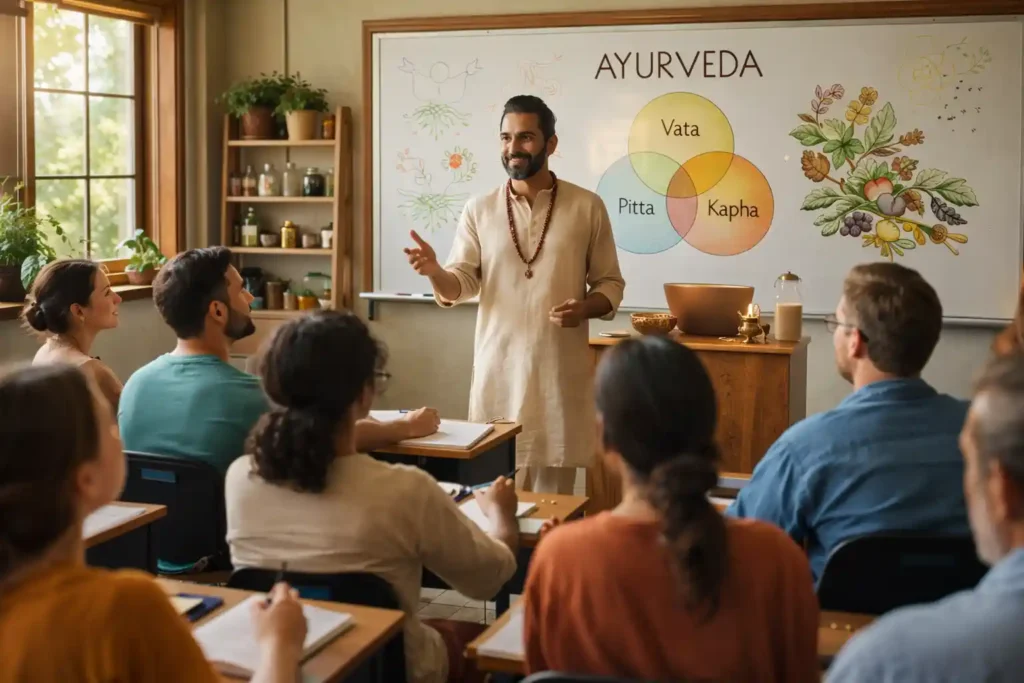
Ayurveda study online

Are you curious about how ancient healing traditions can change your life? The world is moving towards holistic wellness, and Ayurveda is leading the way. Learning traditional Ayurveda can be intensive and complex. It’s mainly for those who want to become practitioners, not for personal wellness seekers. And, if you’re wondering how to study Ayurveda at home, that’s where online learning comes in. Ayurveda study online makes understanding and using Ayurvedic principles easier and more accessible. But, there are numerous Ayurveda programs to choose from.  Which one is right for you?

Thanks to online education, diving into Ayurveda’s ancient wisdom is now easier than ever. Let’s see how this modern method can boost your holistic wellness journey.

Key Takeaways

  • Discover the benefits of online platforms such as CureNatural to learn Ayurveda.
  • Understand how online education differs from traditional Ayurveda courses.
  • Explore the convenience and effectiveness of applying Ayurvedic principles in daily life.
  • Learn how online Ayurveda study can enhance personal wellness.
  • Find out why online learning is considered a better way to study Ayurveda.

The Problem with Traditional Ayurveda Education

Traditional Ayurveda education often doesn’t meet the needs of those looking for self-care. It mainly trains practitioners, leaving a gap for personal use. This is a problem for those wanting to apply Ayurveda in their daily lives.

Why Most Programs Are Designed for Practitioners, Not Self-Care

Most Ayurveda programs focus on clinical skills, preparing students for a career in treating patients. Dr. Surya Bhagwati points out, “The emphasis is on preparing students for a clinical practice, which can be overwhelming for those not intending to become practitioners.”

“The clinical focus of traditional Ayurveda education can make it challenging for individuals to extract relevant information for personal use.”

This shows the need for a more personalized approach to Ayurveda education.

ayurveda programs

The Time and Financial Investment of In-Person Training

In-person Ayurveda training is costly and time-consuming. Students often have to move or travel a lot, which is daunting. The cost can also be a big barrier. Online Ayurveda programs offer a more affordable and flexible option.

Program TypeCostDurationFlexibility
Traditional In-Person$10,000 – $20,0001 – 3 yearsLimited
Online Ayurveda$1,000 – $5,000Several months to 2 yearsHigh
CureNatural Difference$40-$1000Several weeks- self-pacedHigh

The Clinical Focus That Overlooks Daily Application

Traditional Ayurveda education focuses too much on clinical skills. It overlooks how to apply Ayurveda in daily life. Online Ayurveda certification programs now offer a more practical approach.

Understanding the limits of traditional education helps make better choices. Online learning is a promising alternative, meeting a wider range of needs.

Ayurveda Study Online: The Modern Solution for Personal Health

Digital learning platforms have made it easy to study Ayurveda online. This option is great for those looking to improve their health. Online platforms spread Ayurvedic knowledge far and wide, making it accessible to more people.

Ayurveda study online

Accessibility Without Geographic Limitations

Online Ayurveda study removes the barrier of location. People from anywhere can get quality Ayurvedic education without leaving their homes.

Key benefits include:

  • Access to global experts in Ayurveda
  • Learning from the comfort of your own home
  • No need to worry about time zone differences

Learn at Your Own Pace and Schedule

Online Ayurveda courses let you learn at your own speed. This is great for those with tight schedules or who learn differently than in a classroom.

“The flexibility to learn at your own pace is a game-changer for many students who cannot commit to a traditional classroom schedule.”

Focused Content for Everyday Implementation

Online Ayurveda programs focus on practical, daily uses of Ayurvedic principles. Students can apply what they learn right away, improving their health and wellbeing.

Practical applications may include:

  1. Personalized dietary plans based on one’s dosha
  2. Daily routines (Dinacharya) tailored to individual needs
  3. Seasonal adjustments (Ritucharya) to maintain health and balance

The Key Differences Between Professional and Personal Ayurveda Education

It’s important to know the difference between professional and personal Ayurveda education. This is true for those wanting to become practitioners or just improve their health. Both paths offer valuable insights into Ayurvedic principles but differ in focus, depth, and application.

Clinical Training vs. Self-Care Knowledge

Professional Ayurveda education trains people to become practitioners. It covers clinical diagnosis, treatment, and patient care. Personal Ayurveda study, on the other hand, teaches self-care. It shows how to apply Ayurvedic principles for better health and well-being.

Key differences include:

  • Depth of Study: Professional programs dive deep into clinical practices. Personal study focuses on foundational knowledge and practical application.
  • Application: Practitioner training is for clinical settings. Personal study is about managing individual health.

Certification Requirements vs. Practical Skills

Professional Ayurveda certification requires training hours, exams, and other criteria. Personal Ayurveda study focuses on practical skills. These include dietary adjustments, stress management, and seasonal routines.

For those interested in personal Ayurveda study, free online courses can provide a solid foundation. You don’t need formal certification.

Why Learning for Yourself First Creates Better Practitioners

Dr. Surya Bhagwati believes in understanding one’s own health first. This approach helps future practitioners appreciate Ayurvedic practices better. They gain a deeper understanding of its challenges and benefits.

This personal experience makes practitioners more empathetic and effective. They can use their own experiences to inform their practice.

Practical benefits include:

  1. Enhanced empathy through personal experience.
  2. Deeper understanding of Ayurvedic principles.
  3. Improved ability to tailor advice to individual needs.

How to Choose the Right Online Ayurveda Program for Your Needs

There are many online Ayurveda programs out there. To pick the right one, you need to think about what you want to learn. Knowing your goals will help you find the best program.

Identifying Your Learning Goals

First, decide what you want to get out of an online Ayurveda course. Do you want to improve your health or become a certified practitioner? Knowing your goals will help you find the right program.

  • Personal health and wellness
  • Professional certification
  • Deepening knowledge for personal interest

Evaluating Course Content and Structure

After setting your goals, look at the course content and structure. Choose programs that cover Ayurvedic principles and practices well. Make sure the course is easy to follow and practical.

Course AspectKey Features to Look For
Comprehensive CoverageIn-depth study of Ayurvedic principles, doshas, and practices
Practical ApplicationGuidance on dietary guidelines, daily routines, and seasonal adjustments
FlexibilitySelf-paced learning options and accessible course materials

Checking Instructor Credentials and Teaching Style

The instructors’ credibility and teaching style matter a lot. Choose programs with experienced Ayurveda practitioners. Make sure their teaching style fits your learning style.

Reading Reviews and Student Success Stories

Reading reviews and success stories from past students is very helpful. It gives you a real idea of the program’s strengths and weaknesses. It also shows if it can help you meet your goals.

“The online Ayurveda program I completed not only deepened my understanding of Ayurvedic principles but also transformed my approach to health and wellness.”

— A satisfied student

By thinking about these points, you can make a smart choice. You’ll find an online Ayurveda program that fits your needs and goals.

Essential Components of Quality Ayurveda Study Online

An online Ayurveda study program needs several key parts for a complete education. It’s important to know what makes an online Ayurveda course effective.

Foundational Dosha Knowledge

Knowing the three doshas—Vata, Pitta, and Kapha is key to Ayurveda. A good program should teach you how to find your dosha and balance it.

Dosha knowledge is more than just theory. It’s about using it in your daily life. Look for courses with practical exercises and tips for balance.

Practical Dietary Guidelines

Diet is very important in Ayurveda. A quality course should teach you to eat right for your dosha. It should also show you how to make simple, healthy meals.

DoshaRecommended FoodsFoods to Avoid
VataWarm, nourishing foods like soups and stewsCold, dry foods like raw vegetables and salads
PittaCooling foods like cucumbers and yogurtSpicy, oily foods like hot peppers and fried foods
KaphaLight, dry foods like popcorn and leafy greensHeavy, oily foods like rich meats and fried foods

Daily Routine (Dinacharya) Practices

Dinacharya are daily routines for health and balance. A good course should teach practices like waking up at sunrise and tongue scraping.

These practices are easy and effective. They help you start your day right. Look for courses with detailed instructions and videos.

Seasonal Adjustments (Ritucharya)

Ritucharya means adjusting your life and diet with the seasons. A good program should teach you how to adapt to seasonal changes.

Understanding ritucharya helps you stay healthy all year. Look for courses with seasonal tips and lifestyle adjustments.

Step-by-Step Guide to Starting Your Ayurveda Education Online

Online learning has made Ayurveda study online easier than ever. It offers a flexible way to learn about this ancient practice. Having a clear guide is key to navigating this journey well.

Setting Up Your Learning Environment

Creating a good learning space is crucial for success in online Ayurveda education. Choose a quiet, comfy spot for studying, away from distractions. Make sure you have a stable internet connection and the right tech for your Ayurveda programs.

Creating a Sustainable Study Schedule

Having a solid study schedule is essential. It helps you balance learning with other life tasks. Set aside specific times each week for studying. Use a planner or digital calendar to stay organized.

DayTopicTime Allocation
MondayIntroduction to Ayurveda1 hour
WednesdayAyurvedic Diet Principles1.5 hours
FridayDinacharya (Daily Routine)1 hour

Implementing What You Learn Immediately

To get the most from your Ayurveda study online, apply what you learn right away. Start using Ayurvedic principles in your daily life. This could mean changing your diet or following dinacharya.

Tracking Your Progress and Health Changes

Keeping track of your progress and health changes is important. Use a journal to note your experiences. This helps you see what works and what doesn’t, so you can adjust your practices.

By following these steps, you can make the most of your online Ayurveda education. Success comes from being consistent, patient, and open to learning and adapting.

Free Resources to Begin Your Ayurveda Online Course Journey

The world of Ayurveda is full of knowledge. You can explore it without spending money, thanks to free online resources.

We’ve put together a list of trusted sources for Ayurveda knowledge. You’ll find educational websites, YouTube channels, free courses, and online communities.

Reputable Websites and YouTube Channels

Many websites and YouTube channels share Ayurvedic knowledge. Here are some notable ones:

  • Ayurveda.com: The website of Ayurvedic Institute run by Dr Vasant Lad, that offers some free introductory content on Ayurveda, including articles and videos
  • Dr. John Douillard: A popular YouTube channel that provides insights into Ayurvedic living and health tips.
  • CureNatural.com: CureNatural has a blog “Learn Ayurveda” dedicated to free Ayurvedic education, along with professional courses, Ayurveda mobile app and consultations.

Free Introductory Courses and Webinars

Many platforms offer free introductory courses and webinars on Ayurveda. These are great for getting started:

  • Udemy: Often features free introductory courses on Ayurveda, covering basics and beyond.  But, Udemy is not an Ayurveda focused website, thus lacks supportive resources.
  • Ayurvedic Webinars: Some practitioners and institutions offer free webinars on various Ayurvedic topics.

Online Communities and Forums

Joining online communities is a great way to connect with others interested in Ayurveda:

  • Reddit’s r/Ayurveda: A community where you can ask questions, share experiences, and learn from others.
  • Ayurveda Forums: Dedicated forums where you can discuss various Ayurvedic practices and seek advice.

Digital Libraries and Academic Resources

For deeper or academic resources, there are digital libraries and academic databases. They offer free access to Ayurvedic texts and research:

ResourceDescription
Google ScholarOffers access to scholarly articles on Ayurveda and related topics.
National Ayurvedic Medical Association (NAMA)Provides resources and information on Ayurvedic practices and education.
PubMedA database of biomedical literature that includes research on Ayurveda.

By using these free resources, you can start your Ayurveda online course journey without spending money. You’ll gain a solid foundation in Ayurveda’s principles and practices.

When to Consider Investing in Paid Ayurveda Programs

Free Ayurveda resources are plentiful, but knowing when to move to a paid program can be tough. There are clear signs that show when it’s time to take the next step.

Signs You’re Ready to Deepen Your Knowledge

If you’ve been using free Ayurveda resources and want more, it’s time to think about a paid program. You might be ready if:

  • You’ve learned the basics and want more advanced knowledge.
  • You’re looking for personalized guidance or mentorship.
  • You want to dive deeper into specific areas of Ayurveda.

What Paid Programs Offer That Free Resources Don’t

Paid Ayurveda programs have many benefits over free ones. They offer comprehensive curricula, interactive learning, and direct feedback from instructors. Key benefits include:

  • Structured Learning Paths: A systematic way to learn Ayurveda, ensuring you cover all important concepts.
  • Expert Instruction: Guidance from experienced practitioners who offer insights beyond free resources.
  • Community Support: A chance to connect with others and learn from their experiences.

Price Range and What to Expect for Your Investment

The cost of paid Ayurveda online courses varies. It depends on the course’s length, depth of content, and the instructors’ credentials. You can expect to pay from a few hundred to several thousand dollars for detailed programs.

Program TypeDurationCost Range
Introductory Course4-6 weeks$200-$500
Certificate Program6-12 months$1,000-$3,000
Advanced Certification1-2 years$3,000-$6,000
CureNatural Ayurveda SeriesFew weeks-self-pacedless than $1000


Balancing Cost with Educational Value

When looking at paid Ayurveda programs, consider the cost and benefits. Ask yourself:

  • How will this program improve my understanding and use of Ayurveda?
  • Are the instructors credible and experienced?
  • Does the program offer ongoing support or community engagement?

By carefully evaluating these points, you can make a choice that fits your health goals and budget.

How to Study Ayurveda at Home Effectively

Dr. Surya Bhagwati teaches that learning Ayurveda at home needs practical steps. To get the most from Ayurveda, you must apply its teachings in your daily life.

Creating an Ayurvedic Learning Journal

Keeping a learning journal is a great way to track your progress. It helps you see patterns and understand how Ayurveda affects you. Start a notebook for your Ayurvedic journey. Write down your thoughts, feelings, and physical sensations often.

Practical Experiments and Self-Assessment

Ayurveda is all about trying things out and learning from yourself. Start with simple steps like changing your diet or adding daily routines like oil pulling. See how these changes affect your energy, digestion, and health. This hands-on learning will deepen your understanding of Ayurveda.

Building a Personal Ayurveda Reference Library

As you learn more about Ayurveda, a personal library is very helpful. Start with basic texts and add more as you go. Include e-books and online courses for flexibility. This library will be your go-to for learning more.

Applying Principles to Your Daily Routine

The real magic of Ayurveda is in using it every day. Start with simple habits like waking up early, eating seasonally, and being mindful. As you get better at these, you can try more advanced techniques. The goal is to make Ayurveda a part of your daily life, improving your health and well-being.

By following these steps and staying committed, you can see the amazing benefits of Ayurveda. Whether you want to boost your health, understand your body, or find balance, studying Ayurveda at home can change your life.

Online Ayurveda Certification: Is It Worth It?

Online Ayurveda certification programs are getting more popular. But, their value is still debated. As more people seek holistic health, knowing the pros and cons of online certification is key.

Understanding Different Levels of Certification

Ayurvedic certification programs vary a lot. Some teach the basics, while others offer advanced training. It’s important to pick a program that fits your goals, whether for personal health or a career.

Levels of Certification:

  • Basic Understanding: Introductory courses that cover the fundamentals of Ayurveda.
  • Professional Training: Comprehensive programs designed for those who wish to practice Ayurveda professionally.
  • Specialized Courses: Focus on specific areas such as herbalism, nutrition, or Panchakarma.

Recognized Accreditation Bodies

When looking at online Ayurveda certification, check the program’s accreditation. Good accreditation means the program meets quality and educational standards.

Some recognized accreditation bodies include:

  • National Ayurvedic Medical Association (NAMA)
  • National Certification Commission for Acupuncture and Oriental Medicine (NCCAOM)

Career Opportunities with Online Certification

Getting an online Ayurveda certification can lead to many career paths in holistic health. While it doesn’t guarantee a job, it boosts your credibility and skills.

Potential career paths include:

  • Ayurvedic Consultant
  • Holistic Health Coach
  • Yoga and Ayurveda Instructor

The Value of Personal Experience in Professional Practice

While certification is key, personal experience and ongoing learning are just as important. Many successful practitioners mix formal education with self-study and practical use.

Practitioners often emphasize the importance of:

  • Practical application of Ayurvedic principles
  • Continuous self-study and professional development
  • Integration of Ayurveda into daily life

In conclusion, online Ayurveda certification is a valuable step for those interested. It offers a structured learning path and recognized credentials. But, it’s important to choose a reputable program and add personal experience and ongoing education.

Conclusion: The Transformative Journey of Personal Ayurveda Study

Starting an ayurveda study online journey can change your life. It leads to deeper self-awareness and better health. By looking into ayurveda programs that fit your health needs, you can learn useful skills for everyday life.

Online Ayurveda education is flexible and easy to get to. It lets you manage your health by making smart choices about food, lifestyle, and stress. You can learn at your own speed, find lots of resources, and use Ayurveda in your daily life.

Adding Ayurveda to your daily routine can really boost your health and happiness. Whether you use free resources or pay for programs, studying Ayurveda is a great investment in your health. Keep in mind, the real strength of Ayurveda is in how you use it to improve your life.

FAQ

What is the best way to start studying Ayurveda online?

Start by setting your learning goals. Then, check out the content and structure of online Ayurveda programs. Choose ones that teach about doshas, diet, and daily routines.

Are there any free resources available for learning Ayurveda online?

Yes, many websites, YouTube channels, and online communities offer free Ayurveda lessons. You can also find digital libraries and academic resources for deeper study.

How do I choose the right online Ayurveda certification program?

When picking an online Ayurveda program, look at the certification level and if it’s accredited. Check if it focuses on practical skills and clinical training. Also, consider the instructor’s background and read student reviews.

Can I study Ayurveda effectively at home without formal certification?

Definitely. You can learn Ayurveda at home by keeping a learning journal and doing experiments. Building a library and applying Ayurveda to your life is also helpful.

What are the benefits of studying Ayurveda online compared to traditional in-person training?

Online Ayurveda study is more accessible and flexible. You can learn at your own pace, saving time and money compared to in-person classes.

How can I ensure that my online Ayurveda education is credible and authentic?

Choose programs with experienced, credentialed instructors. Make sure they’re accredited by reputable bodies. Reading reviews from past students can also help.

Are online Ayurveda certifications recognized in the industry?

The recognition of online Ayurveda certifications varies. Check the program’s reputation and if it’s accepted by employers or clients in your area.

Can I become a practitioner with online Ayurveda education?

Online education is a good start for Ayurveda, but becoming a practitioner needs more. You’ll need formal education, clinical training, and experience. Online certification is a step towards a career, but know the specific requirements for your area.

How do I track my progress in an online Ayurveda study program?

Make a study schedule and track your progress. Apply what you learn, keep a learning journal, and self-assess. This helps you stay on track and see how well you’re doing.

What are the key components of a comprehensive online Ayurveda study program?

A good online Ayurveda program should cover doshas, diet, daily routines, and seasonal adjustments. Look for programs with a balanced curriculum and practical application opportunities.
Tags:
Ayurveda EducationAyurvedic PrinciplesDistance LearningE-Learning PlatformHolistic WellnessNatural HealingOnline LearningSelf-paced StudyTraditional Medicine
Share on:
Ayurvedic Medical Practitioner or Ayurvedic Doctor: Find the Right Expert or Become One
The 5 Essential Ayurveda Classes Every Person Needs—No Training Required

Leave a Reply Cancel reply

Your email address will not be published. Required fields are marked *

Search

Categories

  • Ayurveda Cooking (4)
  • Ayurveda Gut Health (7)
  • Ayurveda Remedies (3)
  • Ayurveda Seasons (1)
  • Ayurvedic Case Study (1)
  • Ayurvedic Constitution (6)
  • Everyday Ayurveda (5)
  • Six Tastes in Ayurveda (3)
  • Study Ayurveda (12)
  • Yogic Diet (3)
ayurveda consultation banner

Tags

Ancient healing foods Ayurveda Diet Ayurveda Education Ayurveda herbs for testosterone Ayurveda nutrition Ayurvedic approaches Ayurvedic daily routine Ayurvedic Diet Ayurvedic Digestive Health Ayurvedic lifestyle tips Ayurvedic Principles Ayurvedic remedies Ayurvedic studies Balanced Nutrition Digestion support Digestive health Digestive System Health Digestive system support Grounding Foods Gut healing Healing practices Healthy living Healthy metabolism Herbal medicine Holistic Wellness Hormonal balance techniques Kapha dosha Metabolism boosting foods Mind-body balance Mind-body connection Mindful Eating Natural Healing Natural vitality boosters Online Learning Pitta-balancing Pitta dosha Testosterone-boosting remedies Traditional Medicine Practices Traditional testosterone methods Vata Dosha Vitality-enhancing practices Warm Meals Ways to reduce heaviness Yoga for digestion Yoga poses for gut health
CureNatural White Logo

Transforming lives through holistic wellness education.

Download Ayurveda App
  • Download Apple App
  • Download Google App
Media Coverage
  • Magazines & Journals
  • News & Press
  • Influencer Blog Mentions
Download Ayurveda App
  • Home
  • Courses
  • Consultation
  • Ayurveda Mobile App
  • Learn Ayurveda Blog
  • List Item
Account
  • Cart
  • My Account
Download Ayurveda App
  • Ayurveda FAQ
  • Contact us
  • Terms & Conditions
  • Privacy Policy
  • Refund & Cancellations
  • Delete Account Policy
Dosha Test
Sign In
Sign in with Google Google
Sign up with Google Google
or sign in with email
The password must have a minimum of 8 characters of numbers and letters, contain at least 1 capital letter
I agree with the privacy policy Privacy Policy
Remember me
Sign In Sign Up
Restore password
Send reset link
Password reset link sent to your email Close
Confirmation link sent Please follow the instructions sent to your email address Close
Your application is sent We'll send you an email as soon as your application is approved. Go to Profile
No account? Sign Up Sign In
Lost Password?
CureNatural Logo