
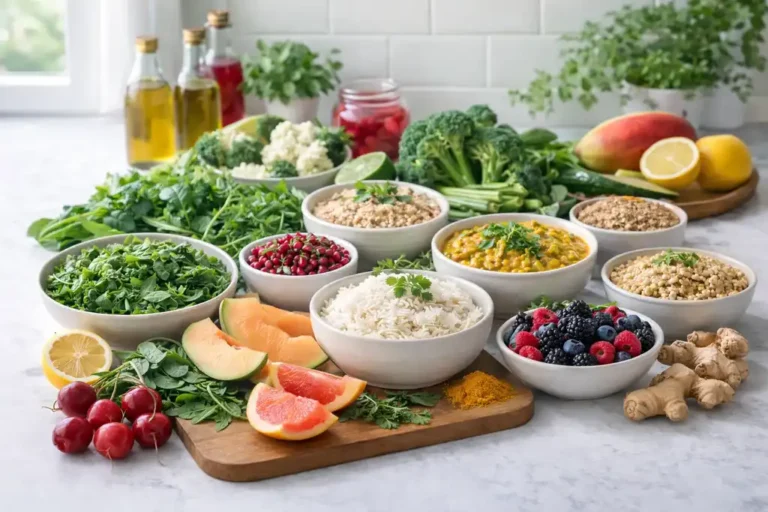
Feeling sluggish, heavy, foggy, or like your body is stuck in “low gear”? If so, Kapha cooking can be just as important as the ingredients you choose. The right cooking style makes meals feel lighter and more energizing—less “mud + inertia,” more clear and motivated.
Kapha is the dosha of structure and stability. When it’s high, your body often responds best to food that’s warm, light, dry(er), and well-spiced—the opposite of cold, creamy, heavy comfort-food cooking. This guide shares a practical how to cook for Kapha approach through 10 simple Kapha cooking tips—so your meals support lightness without feeling restrictive.
Table of Contents
ToggleHow to use these Kapha cooking tips
Keep it simple:
Best (most days): warm, light cooking methods that reduce heaviness
Okay sometimes: richer cooking when portions are smaller and meals are veggie-forward
Limit (occasionally): greasy, creamy, sugary, and cold cooking habits that stack heaviness
One rule that changes everything for Kapha:
Less oil + more spice + more vegetables beats “healthy but heavy” almost every time.
Before you copy these Kapha cooking tips… read this
Keep it simple:
This article is written for people searching “Kapha cooking,” but here’s the nuance that changes everything: most people are not purely Kapha. You’re typically a combination (Kapha-Vata or Kapha-Pitta), and your current state can be very different from your birth constitution.
Example: you might be born Kapha-Vata, but right now be running a strong Kapha imbalance from heavy foods, winter habits, low movement, stress-eating, or poor sleep. In that case, the same “Kapha-friendly” cooking can land differently depending on your digestion, season, and symptoms.
So treat these as Kapha cooking principles—not your personal final plan.
A suggestive list of Kapha foods or Kapha diet can be found in our other articles.
To check your own birth and current body type (or dosha), take the Ayurveda dosha test.
Kapha cooking tip 1: Cook warm (skip cold meals as your default)
Kapha tends to feel heavier with cold, raw, and iced habits.
Best (most days):
warm breakfasts
warm lunches
warm dinners
warm drinks
Limit:
cold smoothies as a meal
iced drinks with every meal
cold dairy-heavy breakfasts
Kapha cooking tip 2: Use less oil (seriously)
Kapha can feel “healthy but heavy” when meals are oil-forward.
Best (most days):
light sauté (minimal oil)
broth-based cooking
dry roasting (with spices)
How to keep flavor without oil:
toast spices first
use citrus/herbs (as tolerated)
finish with a small drizzle, not a pour
Kapha cooking tip 3: Favor drying cooking methods
Kapha often benefits from methods that reduce moisture/heaviness.
Best methods for Kapha:
roasting
baking
grilling (lightly, not greasy)
air-frying
sautéing
Okay sometimes:
soups and stews (keep them light, not creamy)
Kapha cooking tip 4: Spice is not optional—it’s a tool
Spices help stimulate appetite and digestion for Kapha.
Best (most days):
ginger
black pepper
cumin
coriander
turmeric
cinnamon
mustard seed (if you use it)
Okay sometimes:
chili/cayenne (small amounts, if tolerated)
Kapha cooking tip 5: Make vegetables the main event
Kapha does best when the plate is veggie-forward.
Kapha-friendly move:
double the vegetables
keep grains smaller
keep sauces lighter
Best formats:
roasted veg trays
stir-fries heavy on vegetables
sautéed greens + legumes
big bowls with spices
Kapha cooking tip 6: Go easy on dairy-based cooking
Dairy can be a major Kapha “heaviness stack,” especially cold dairy.
Limit as defaults:
creamy sauces
cheesy bakes
yogurt-based heavy meals
ice cream-style desserts
If you include dairy:
keep portions smaller
use earlier in the day
prefer lighter amounts (ghee over cheese, for many)
Kapha cooking tip 7: Keep grains smaller (especially at dinner)
Too much grain can turn into the “sleepy after eating” feeling.
Better strategy:
grains as a side, not the base
choose lighter portions
emphasize legumes and vegetables
Kapha dinner win:
soup + vegetables + protein
minimal grain or none
Kapha cooking tip 8: Avoid “sweet + heavy” cooking patterns
Kapha tends to bog down when meals are sweet, creamy, and dense.
Limit:
sugary sauces
baked goods as daily snacks
heavy desserts after dinner
Better swaps:
fruit earlier in the day
cinnamon/ginger spice for “sweet feeling”
roasted fruit (lighter than baked desserts)
Kapha cooking tip 9: Make dinner simple and early
Dinner is where Kapha can either stay light—or get stuck.
Best (most days):
earlier dinner
smaller dinner
soup or veggie-forward plate
minimal oil and dairy
If you crave late-night snacks:
it’s often a rhythm issue, not true hunger
Kapha cooking tip 10: Use bright garnishes to lift a meal
Garnishes create “movement” without heaviness.
Best Kapha garnishes:
fresh herbs
lemon/lime (as tolerated)
toasted spices
a small sprinkle of seeds
light pickles (not excessive)
Best cooking methods for Kapha (quick list)
Use these most often:
roast
bake
sauté (minimal oil)
grill (light)
air-fry
light simmer (non-creamy soups)
Use these with balancing:
soups and stews when they’re light (more veg, less cream, less oil)
Not sure if you’re “really” Vata?
If you’re searching for Kapha cooking, chances are you want clarity fast. But here’s the truth: most people aren’t just Kapha.
You’re usually a blend (Kapha-Vata or Kapha-Pitta), and a proper plan needs to account for both:
- your birth constitution (prakriti) — your baseline blueprint
- your current imbalance (vikriti) — what’s happening right now based on stress, sleep, digestion, season, routine, and lifestyle
That’s why two people can both identify as “Kapha” and still need different spice levels, cooking methods, and meal timing.
If you want a plan that actually fits your body (not just generic tips):
👉 Start the Kapha Dosha Management Course (for the full Kapha-specific system)
or
👉 Download the Ayurveda App to get the diet built in and use AI Chef to generate recipes tailored to your constitution + current imbalance.
Conclusion: Cooking to Energize Kapha, One Meal at a Time
Kapha cooking is about creating lightness without deprivation. When meals are warm, veggie-forward, lightly oiled, and properly spiced, digestion feels more awake and energy is easier to access.
Ayurveda does not aim to control the body. It teaches how to listen, respond, and support it intelligently. When your cooking aligns with Kapha’s needs, balance becomes a daily experience—not a constant pursuit.
References
- Medical News Today: What are Ayurvedic diet plans?
FAQs: Kapha cooking (How to cook for Kapha)
What is Kapha cooking?
What are the best cooking methods for Kapha?
Can Kapha eat soup?
What spices are best for Kapha cooking?
Why do Kapha cooking tips differ for different people?

Dr. Amit Gupta, M.D.
Dr. Amit K. Gupta, MD is a Harvard- and Boston University–trained physician dedicated to bridging modern clinical medicine with the ancient wisdom of Ayurveda. He founded CureNatural to make Ayurveda clear, personalized, and credible. His work focuses on digestion, daily routine (dinacharya), and metabolic balance—using practical food and lifestyle guidance you can actually follow.
Over more than 25 years in health promotion, he received the U.S. DHHS Secretary’s Award for innovations in disease prevention and contributed patented work that helped lay the foundation for Health Savings Accounts (HSAs).
 Google