
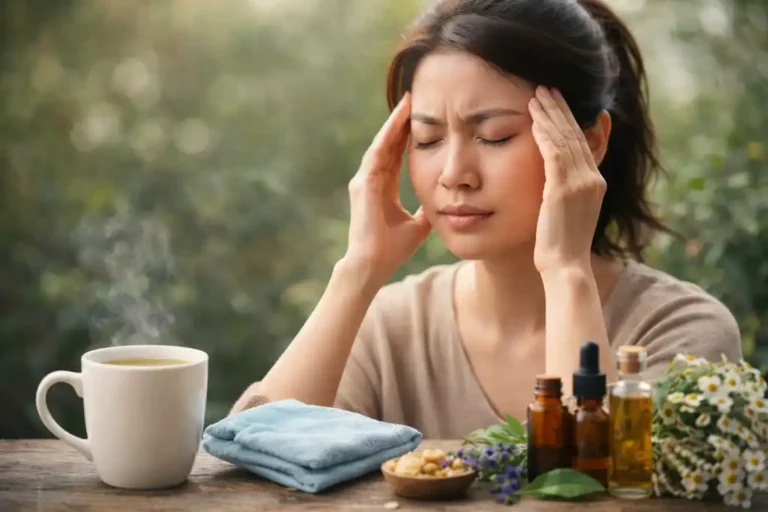
Introduction to Natural Remedies for Headaches
If you have ever reached for a painkiller only to find your headache creeping back an hour later, you are not alone. Millions of people search for natural remedies for headaches every day — not just for temporary relief, but for real, lasting answers. What is striking is that four of the world’s oldest and most respected healing traditions — Ayurveda, Western Naturopathy, Herbal Medicine, and Traditional Chinese Medicine (TCM) — all point to the same conclusion: a headache is a signal, not just a symptom.
In this article, we explore how each tradition explains why headaches happen, where their thinking overlaps, and — most importantly — what natural remedies each recommends. Whether you have been wondering how to treat headaches naturally for years, or you are simply curious about what ancient medicine can offer, this cross-traditional guide gives you a richer, more personalized map to follow.
Part 1: Why Do Headaches Happen? A Cross-Traditional Assessment
Each healing system has its own language for describing headaches. However, when you look closely across traditions, the same core themes keep appearing: heat and inflammation, sluggishness and congestion, and nervous system overload. Here is how each tradition frames those root causes.
The Ayurvedic View
Ayurveda is unusual among healing traditions in that it classifies headaches by the quality of pain rather than its location. Instead of labelling every headache the same, Ayurveda asks a simple question: is your pain burning, heavy, or tension-driven? Each type reflects a different internal imbalance and, crucially, each calls for a different remedy.
The Burning Headache (Heat-Type):
This type brings sharp, hot, inflamed pain — often with sensitivity to light, sweating, or dizziness. It tends to flare after spicy food, alcohol, midday sun exposure, or intense anger. In short, too much internal heat has accumulated in the body and risen to the head.
If you tend to get headaches in hot summers, being outside, or after eating very spicy foods, then you likely have this type of headache. You might even notice that during such headache, you want some air flowing with a fan or air conditioner. The burning headache occurs in Pitta body type person, or someone who has aggravated their Pitta dosha, which is related to the Fire element.
The Dull / Throbbing / Heavy Headache (Congestion-Type):
This headache feels like a weighted fog — slow, heavy, and typically worse in the morning or after a large meal. Cold, damp foods, daytime napping, and sluggish digestion are the most common triggers. The body is essentially congested, and that congestion has travelled upward to the head.
You might even trigger the headache. You try to clear your congestion with some over-the-counter medication that “dries” congestion, not realizing that the ‘dryness’ actually spreads to the head along with congestion causing such a headache. The dull/throbbing & heavy headache occurs in Kapha body type person, or someone who has aggravated their Kapha dosha, which is related to Water & Earth elements.
The Tension / Spreading / Pulsating Headache (Nervous-System Type):
This type is erratic and mobile — pain that moves from the head to the neck, jaw, or eyes. Irregular sleep, skipped meals, prolonged screen use, cold or windy exposure, and suppressed emotions are all typical triggers. It reflects a dysregulated, overstimulated nervous system. You might also observe related symptoms such as flatulence/gas, dry skin, hair loss, brittle nails and more. These are all symptoms of dryness in the body. Eating raw salads and dry nuts and seeds often makes this type of headache worse. The tension headache occurs in Vata body type person, or someone who has aggravated their Vata dosha, which is related to Air (wind) element.
The Western Naturopathic View
Naturopathy views headaches as the body’s alarm system flagging a systemic imbalance. Rather than focusing on the head itself, naturopathic practitioners examine whole-body physiology. As a result, they tend to uncover contributing factors that a headache-focused approach might miss entirely. The most common root causes include:
- Liver stress and poor detoxification, which allows inflammatory compounds to circulate and trigger vascular headaches
- Magnesium deficiency, one of the most frequently identified nutritional contributors to both tension and migraine-type headaches
- Blood sugar dysregulation, where dips in glucose drive cerebral blood vessel changes and pain
- Chronic dehydration, a surprisingly common and often overlooked trigger
- Adrenal fatigue and cortisol dysregulation, linking chronic stress physiology directly to recurring headaches

The Western Herbal Medicine View
Herbal practitioners categorize headaches by their vascular, muscular, or lymphatic origin. Tension headaches, for example, are seen as the result of muscular holding patterns in the neck and jaw — fueled by chronic stress and poor posture. Migraines, on the other hand, are frequently linked to liver congestion, hormonal fluctuations, and prostaglandin imbalance. Sinus headaches are attributed to lymphatic stagnation and mucus overproduction, often worsened by food sensitivities such as dairy or gluten.
Interestingly, the herbal medicine view directly coincides with Ayurvedic view. The muscular tension type headache, is due to dryness in the body that tenses the muscles. Cold weather or eating/drinking something cold can easily trigger this. The migraines due to liver congestion is related to Ayurvedic heat/burning type headache due to excess heat in the body. And sinus type headaches with mucus production relate to the dull/throbbing type headache of Ayurveda.
Consequently, the herbal approach does not offer a single herb for all headaches. Instead, it carefully matches the plant to the pattern — cooling herbs for heat, circulatory herbs for stagnation, and nervine herbs for tension and overstimulation. This is very similar to Ayurvedic approach, in fact, lot of herbal medicine’s view is derived from ancient Ayurveda principles.
The Traditional Chinese Medicine (TCM) View
In TCM, headaches arise when the flow of Qi (vital energy) or Blood through the channels of the head is obstructed or disrupted. The specific location of the pain, its quality, and its triggers all help to determine the underlying pattern. The four most clinically common TCM headache patterns are:
- Liver Yang Rising: Throbbing, one-sided pain triggered by stress, anger, or alcohol. This pattern closely mirrors the heat-type headache in Ayurveda.
- Phlegm-Damp Obstruction: A heavy, foggy headache linked to poor digestion and a diet high in cold or greasy foods. This parallels the Ayurvedic congestion-type.
- Wind Invasion: A sudden, acute headache with neck stiffness, often triggered by cold or wind exposure. This overlaps meaningfully with the Ayurvedic nervous-system type.
- Kidney Deficiency: A chronic, dull ache rooted in exhaustion and overwork — a pattern recognized, in different words, across all four traditions.
Commonalities between TCM & Ayurveda View
Notice once again the common theme here. Liver Yang (Ayurveda’s heat/burning type), Phlegm-damp (Ayurveda’s dull/throbbing type), and Wind invasion (Ayurveda’s tension type with dryness).
The TCM “Kidney deficiency” headache related to exhaustion and overwork is actually part of the Ayurveda burning type headache. “Burnouts” are named that way for a reason. Burn as in Fire (heat). Burnout starts with digestion and liver issues, and spreads to nearby organs such as kidneys and adrenals. This is when the adrenal exhaustion kicks in. Eventually, if still not managed, it reaches upwards to the head.
Easy way to remember is both Fire & Air rise upwards and spread. Earth & Water fall downwards and flow. This is the Ayurveda concept. In fact, Chinese Medicine derived its elements and types from the spread of Ayurveda in the East. Where TCM and Ayurveda differ is the use of the herbs because different herbs grew in China vs. India. This is also why both TCM & Ayurveda go by “qualities” of herbs, not compounds and active ingredients as the West does.

Part 2: Where the Traditions Agree — and Where They Differ
Placing these four traditions side by side reveals how much they have in common. The table below maps the key root cause themes across all four systems, making it easy to see where they converge and where their perspectives diverge.
| Root Cause | Ayurveda | Naturopathy | Herbal Medicine | TCM |
|---|---|---|---|---|
| Heat / Inflammation | Burning-type: excess internal heat from diet, anger, sun | Liver inflammation, prostaglandin excess, food sensitivities | Liver congestion, histamine, vascular irritation | Liver Yang Rising; Wind-Heat invasion |
| Congestion / Sluggishness | Dull/heavy type: cold/damp diet, poor digestion, oversleeping | Lymphatic stagnation, poor detox, mucus overproduction | Mucous membrane congestion, sinus pressure | Phlegm-Damp obstruction blocking clear Yang |
| Nervous System / Tension | Tension/spreading: irregular sleep, screen overuse, suppressed emotions | Adrenal fatigue, cortisol dysregulation, CNS overload | Nerve depletion, poor circulation to the head | Qi stagnation, Wind invasion, Liver Qi constraint |
| Diet & Digestion | All three types linked to wrong foods, irregular eating | Blood sugar instability, gut inflammation, nutrient deficiency | Inflammatory foods, food triggers (gluten, dairy, alcohol) | Stomach/Spleen imbalance disrupting clear Yang |
| Sleep & Lifestyle | All three types worsen with poor sleep, late nights, daytime napping | Circadian disruption, blue light, poor sleep hygiene | Exhaustion depletes adaptogenic reserves | Kidney/Liver depletion from overwork, insufficient rest |
| Emotional Triggers | Suppressed grief, anger, and stress worsen all types | Chronic stress activates HPA axis, raises cortisol | Tension held in neck, jaw, and shoulders | Liver Qi stagnation from unresolved emotions |
Key Insight: All four traditions agree that stress, poor sleep, and diet are central drivers of headaches. The most striking shared theme is the polarity of heat/inflammation, wind/dryness, versus cold/congestion — a distinction that appears in Ayurveda, TCM, naturopathy, and herbal medicine alike.
Part 3: Natural Remedies by Tradition — How to Treat Headaches Naturally
Understanding the root causes is only the first step. Now let us look at the specific natural herbs for headaches and practical remedies each tradition recommends. Because Ayurveda offers the most detailed type-based framework, we begin there — and then move through the remaining three traditions.
Section A: Ayurvedic Remedies — Matched to Your Headache Type
Ayurveda’s most practical contribution is its insistence on matching the remedy to the type of headache, which in turn is tied to the person’s body type. Using a cooling remedy for a congestion headache, for example, will worsen symptoms rather than relieve them. The table below outlines the key recommendations for each headache type.
| Headache Type | Feels Like | Key Triggers | Topical Remedy | Diet Focus | Key Herbs |
|---|---|---|---|---|---|
| Burning (Heat-Type) | Hot, inflamed pain; light sensitivity; sweating or dizziness | Spicy food, alcohol, anger, midday sun | Sandalwood or mint paste on forehead and temples; or mint essential oil and cold water soaked towel on forehead | Cooling foods: cucumber, coconut water, mint, coriander | Aloe vera, amla, coriander, fennel, cardamom, rose powder |
| Dull / Throbbing (Congestion-Type) | Heavy, foggy; worse in morning or after meals; slow and sluggish | Cold/heavy foods, daytime napping, poor digestion | Dry ginger or nutmeg paste on forehead | Light, warm foods; avoid dairy, cold drinks, raw foods | Dry ginger, nutmeg, clove, ajwain, cinnamon, cumin |
| Tension / Spreading (Nerve-Type) | Pulsating, mobile pain; moves to neck, jaw, or eyes | Poor sleep, irregular meals, screen strain, suppressed emotions | Warm sesame oil scalp and neck massage | Regular warm meals; reduce caffeine; herbal teas | Ashwagandha, brahmi, clove, ajwain, asafoetida |
Additional Ayurvedic Therapies Beyond Herbs
In addition to the type-specific remedies above, two Ayurvedic techniques are beneficial across all headache patterns:
- Nasal oil therapy: A few drops of warm medicated oil placed gently in each nostril. This practice is particularly effective for sinus (throbbing/dull, Kapha based) and tension-type (wind/air, Vata based) headaches, clearing nasal passages and calming the nervous system simultaneously.
- Warm oil scalp massage: A slow, firm massage of the scalp, neck, and temples using warm oil. This is especially valuable for the tension/spreading type, directly releasing muscular holding patterns and improving local circulation.
Oiling is not particularly useful for burning (fire, Pitta) type headaches, as oil just heats the fire even more. This where just cold water and cooling herbs & aromatherapy would be most useful.
Note: all of the Ayurvedic solutions, while helpful for immediate relief, also require dietary changes for long-term management. If you’re just ‘feeding the fire”, or exposing to cold foods, or creating congestion from heavy foods, then these symptomatic measurements will not last long.
Section B: Western Naturopathic Remedies
Naturopathy focuses on addressing the physiological root cause rather than suppressing the pain. As a result, the most effective naturopathic strategies tend to be preventive and systemic, working over weeks and months to reduce the frequency and severity of headaches. Key approaches include:
- Magnesium glycinate (300–400mg daily): Well-supported by clinical evidence for tension and menstrual migraine prevention. Magnesium relaxes smooth muscle and supports neurotransmitter function.
- Hydration protocol: Drinking 2–2.5 litres of filtered water daily, starting with a large glass first thing in the morning before coffee or food.
- Elimination diet: Removing the most common headache food triggers — gluten, dairy, alcohol, aged cheeses, and artificial sweeteners — for 4–6 weeks, then reintroducing one at a time to identify personal triggers.
- Blood sugar stabilization: Eating protein-rich meals every 3–4 hours and avoiding refined carbohydrates, which cause the glucose swings that trigger cerebral vascular changes.
- Liver support: Increasing bitter foods such as rocket, dandelion greens, and lemon water; supplementing with B-complex vitamins; and reducing alcohol and processed food intake to support hepatic clearance.
Section C: Western Herbal Medicine — Natural Herbs for Headaches
Western herbalists select natural herbs for headaches based on the underlying pattern. Therefore, unlike conventional analgesia, herbal treatment is highly individualized. Below are the most clinically recognized herbs, organized by headache pattern:
Heat-type and vascular / migraine headaches:
- Feverfew (Tanacetum parthenium): One of the most studied herbs for migraine prevention. Taken daily as a supplement or fresh leaf tea, it reduces the frequency and severity of vascular headaches over time.
- Butterbur (Petasites hybridus): Clinically trialled for migraine prevention. Use only PA-free certified extracts to ensure safety.
Tension and nervous-system headaches:
- Skullcap (Scutellaria lateriflora): A premier nervine herb that calms muscular tension in the head and neck without causing sedation.
- Valerian root: Most effective where stress, anxiety, and poor sleep are driving the headache pattern.
- Peppermint essential oil (topical): Applied to the temples and forehead, peppermint oil has been shown in controlled trials to be comparable to paracetamol for tension headache relief.
Congestion and sinus headaches:
- Elderflower and eyebright: Both support mucous membrane integrity and help reduce sinus congestion and the associated pressure headache.
- Dandelion root and milk thistle: Support liver detoxification and reduce the vascular inflammatory component of liver-related headaches.
Section D: Traditional Chinese Medicine Remedies
TCM treatment ideally combines acupuncture, herbal formulas, dietary adjustments, and lifestyle changes, guided by a qualified practitioner. Nevertheless, several accessible remedies can be applied at home for each pattern:
- Liver Yang Rising (throbbing, one-sided): Chrysanthemum flower tea, consumed daily, is a traditional remedy for clearing liver heat. Acupressure at the LV3 point — located between the first and second toe — is widely used to release liver tension and calm vascular headaches.
- Phlegm-Damp (heavy, foggy): Fresh ginger tea with tangerine peel warms digestion and helps resolve dampness. Equally important is avoiding cold and raw foods and prioritizing warm, cooked meals.
- Wind Invasion (acute, stiff neck): Peppermint and cinnamon twig tea help dispel wind and warm the channels. Keeping the nape of the neck covered in cold or windy weather is a simple but genuinely effective preventive habit.
- Kidney Deficiency (chronic, dull): Nourishing foods — black sesame seeds, walnuts, bone broth — support kidney energy over time. In this pattern, genuine screen-free rest is considered as therapeutic as any herb.
Part 4: Where All Traditions Converge — The Universal Principles
Despite their different frameworks and vocabularies, all four traditions ultimately arrive at the same practical conclusions. Therefore, if you are looking for the most universally supported strategies for how to treat headaches naturally, these five principles stand out above all others:
- Manage stress actively, not just reactively. Every tradition identifies emotional suppression and chronic stress as primary headache drivers — not peripheral factors.
- Prioritize sleep regularity. Irregular sleep disrupts nearly every body system implicated in headaches, from nervous system function to liver detoxification cycles.
- Clean up your diet. Reduce inflammatory foods, eat at regular intervals, stay hydrated, and pay close attention to your personal triggers.
- Support your liver and digestion. This is the most striking cross-traditional consensus — whether Ayurveda, TCM, naturopathy, or herbal medicine, all roads lead back to digestive and hepatic health as central to headache prevention.
- Match the remedy to the pattern, not just the symptom. What works beautifully for a burning headache may worsen a congestion headache. Personalization is the core insight that every tradition shares.
The most powerful shift you can make is moving from asking ‘What will stop this headache?’ to asking ‘Why does my body keep creating this headache?’ That question is where lasting, natural relief truly begins.
Ready to Go Beyond Quick Fixes?
If you’re serious about feeling better consistently, not just in the moment, our Natural Headache Remedies Course shows you how to treat headaches naturally from the ground up — with diet, herbs, daily rhythms, stress tools, and personalized protocols that actually reduce frequency and intensity over time.
Learn the full system of natural remedies for headaches
Start the Course Now
Conclusion
Natural remedies for headaches are not a single answer — they are a personalized conversation between you and your own body. Whether you resonate most with Ayurveda’s type-based approach, TCM’s channel theory, naturopathy’s nutritional lens, or herbal medicine’s plant-based precision, each tradition offers something genuinely valuable. Together, they paint a more complete and honest picture than any one system could provide alone.
The best place to start is by identifying your headache pattern. Is it burning and hot? Heavy and foggy? Or tension-driven and spreading? That single observation will immediately narrow your options and point you toward the most relevant natural herbs for headaches and lifestyle adjustments. From there, you can layer in remedies from multiple traditions — they are far more complementary than they are contradictory.
As always, if your headaches are severe, unusually frequent, or accompanied by any neurological symptoms, please consult a qualified healthcare practitioner before relying on natural approaches alone.
 Google