
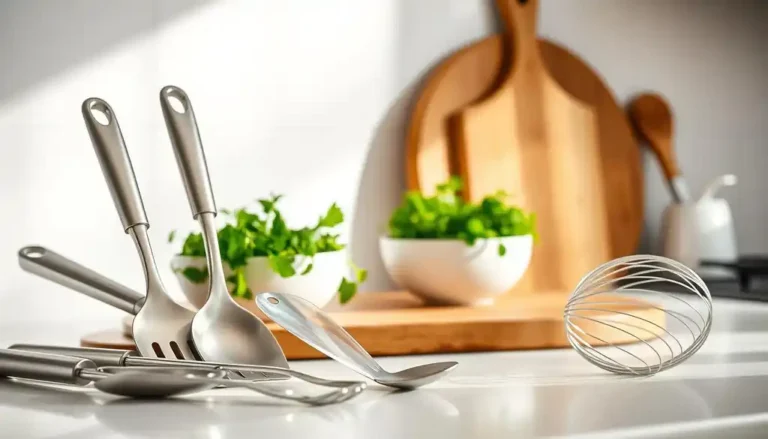
When Healthy Food Isn’t Enough and Why You Need Non Toxic Utensils
Many people assume that eating organic vegetables, clean proteins, and whole grains guarantees good health. However, healthy food alone cannot protect your body if you cook it with the wrong tools. This is why your kitchen must include non toxic utensils, healthy pans, healthy pots, a reliable non toxic utensils set, and truly non toxic healthy cookware. Ayurveda has taught for thousands of years that food carries Prana — the life force — and everything that touches that food influences its ability to nourish you. Modern research now confirms the same truth: cookware, utensils, and storage choices affect digestion, hormones, metabolism, and overall vitality.
Because of this, many people who “eat clean” still feel bloated, fatigued, or hormonally imbalanced. They often overlook the real source of the problem: the materials surrounding their food. When harmful coatings, plastics, or reactive metals touch your meals, they introduce toxins or degrade nutrients long before the food reaches your plate. Fortunately, you don’t need a full kitchen renovation. You simply need awareness and a gradual shift toward safer tools — tools that honor both Ayurvedic wisdom and scientific evidence.
Your Cookware Shapes Your Health More Than You Realize
Ayurveda views the kitchen as the body’s first pharmacy. Food becomes medicine only when it preserves Prana and supports a strong digestive fire, or Agni. Cooking surfaces, utensils, and storage containers influence these qualities. Food cooked in the right materials digests well, nourishes tissues, and stabilizes energy. In contrast, meals prepared with toxic cookware weaken Agni, create Ama (toxic residue), and interfere with long-term health.
Modern science reaches the same conclusion, although through a different lens. Research shows that cookware can release chemicals, metals, and microplastics depending on the temperature, acidity of the food, and wear of the surface. These exposures accumulate and affect hormones, liver function, thyroid balance, inflammation, and the gut microbiome. This is why your choice of non toxic utensils and non toxic healthy cookware must be as intentional as the food you place in your grocery cart.
The Hidden Threat of Conventional Nonstick Pans
Nonstick cookware seems convenient, but the smooth surface hides a significant problem. Most conventional nonstick coatings contain PFAS or related chemicals known as “forever chemicals.” When overheated or scratched, these coatings release toxic particles and fumes. Studies link these exposures to:
Hormonal disruption
Thyroid imbalance
Immune weakness
Metabolic dysfunction
Fertility issues
Ayurveda explains these effects differently but just as accurately. When cookware introduces toxins into the diet, Agni weakens, and digestion suffers. This leads to chronic fatigue, bloating, water retention, heaviness, and foggy thinking. Instead of supporting nourishment, the food becomes difficult to process. Although the ingredients were healthy, the cooking environment sabotaged the outcome.
To avoid this, you must switch to healthy pans made from stable, non-reactive materials. This small change protects nutrient quality and digestive strength while reducing your daily toxic load.
Healthy Cookware Options That Ayurveda and Science Both Approve
You do not need to replace every pan today. Instead, begin with the cookware you use most. When you replace your primary pan with non toxic healthy cookware, your health improves every single day. Below are the most reliable options.
Cast Iron
Cast iron adds safe trace minerals, heats evenly, and becomes naturally nonstick when seasoned. Ayurveda values its grounding and stabilizing qualities. Meals cooked in cast iron stay warm longer, support digestive fire, and enhance overall vitality. These qualities make cast iron one of the best choices for everyday cooking.
Stainless Steel
Stainless steel remains non-reactive, durable, and easy to maintain. It handles high heat without releasing chemicals. Because it works for nearly every cooking method — boiling, sautéing, steaming, simmering — stainless steel stands at the core of any modern non toxic utensils set or cookware collection.
Clay and Earthen Pots
Clay pots hold a sacred place in Ayurvedic kitchens because they cook food slowly and gently. This method preserves moisture, aroma, and Prana. Meals prepared in clay pots become naturally softer and easier to digest — ideal for Vata imbalances or anyone with weak Agni.
Ceramic or Enamel-Coated Pans
When certified lead-free, these materials provide a clean, durable, non-reactive surface. They prevent metal leaching and protect the subtle flavors of vegetables, grains, and stews.
Copper (Properly Lined)
Copper heats quickly and evenly, but must be lined with stainless steel or tin to prevent metal transfer. When prepared correctly, copper cookware promotes sharp, efficient digestion — a benefit Ayurveda has celebrated for centuries.
These materials form the backbone of a practical, safe, and Ayurvedic-inspired kitchen. They allow you to move away from chemically coated pans and embrace truly healthy pots and pans that support long-term health.
The Problem of Toxic Metals in Low-Quality Cookware
Not all metal cookware is created equal. Cheap aluminum pans, poorly made stainless blends, and bargain-priced alloys often leach metals into acidic foods such as tomato, citrus, and vinegar. Over time, this exposure strains the liver, kidneys, and lymphatic system. Even worse, symptoms often appear gradually: irritability, sluggishness, headaches, joint discomfort, or unexplained digestive issues.
Ayurveda understands these reactions as disturbances in elemental balance. Sharp, irritating metals introduce qualities of Tikshna (sharp), Rajas (agitating), and Asatmya (incompatible). These qualities disrupt both the body and mind.
When you replace low-quality cookware with non toxic healthy cookware, you immediately reduce this invisible but serious burden.
Plastic Containers: The Hidden Hormone Disruptors in Every Kitchen
Even if you cook with the best materials, you can still expose your food to chemicals afterward. Storing hot food in plastic containers, reheating leftovers in plastic bowls, or drinking from plastic bottles introduces compounds such as BPA, BPS, and phthalates. These chemicals mimic human hormones and disrupt the endocrine system.
Common effects include:
Weight gain
Difficulty sleeping
Thyroid changes
Fertility issues
Mood instability
Insulin resistance
Ayurveda explains this differently but leads to the same conclusion: these exposures create Ama — toxins your body cannot fully process — which then clog the body’s channels (Srotas) and weaken immunity.
A safer approach includes:
Glass storage containers
Ceramic bowls
Stainless steel tiffin boxes
Beeswax wraps
Wooden or bamboo utensils
These alternatives keep food free from chemical residues and preserve its natural Sattvic quality.
Microwave Heating and the Loss of Food Vitality
Although microwaves offer convenience, they weaken the Pranic value of food. Rapid vibration of water molecules damages the integrity of nutrients and creates uneven heating. Scientific studies confirm that microwaving can degrade vitamin C, vitamin B6, and other heat-sensitive nutrients faster than stovetop methods.
Ayurveda teaches that weakened Prana and unstable heat patterns reduce Agni. This explains why many people feel hungry or tired shortly after eating microwaved meals. Their body must work harder to extract nourishment.
Instead, reheat your meals with:
A stainless-steel pot
A small cast-iron pan with water
A countertop steamer
A toaster oven
When paired with non toxic utensils, these methods protect both nutrients and Prana.
Frozen Foods: Practical but Energetically Depleting
While frozen foods save time, they come with energetic drawbacks. Freezing increases cold, stagnant qualities, which aggravate Vata. This can lead to dry skin, anxiety, constipation, bloating, and irregular appetite. The longer food stays frozen, the more its Pranic value declines.
If freezing is unavoidable, Ayurveda recommends restoring warmth and energy by reheating food with spices such as ginger, cumin, or black pepper. These spices awaken Agni and bring life back to the meal.
Why Cooking Oils Matter as Much as Your Healthy Pans
Oil becomes toxic when overheated. Many seed oils such as canola, soybean, and corn oils break down quickly, producing inflammatory molecules. Even olive oil becomes unstable at high temperatures.
Ayurveda recommends stable oils such as:
Ghee
Coconut oil
Sesame oil
Avocado oil
Combined with non toxic healthy cookware, these oils maintain flavor integrity and prevent oxidative stress.
Mindful Cooking: The Energetic Signature of Your Meal
Ayurveda teaches that your mindset becomes part of the meal. Modern research on the gut-brain axis agrees. Stress alters enzyme secretion, stomach acid, and nutrient absorption. When you cook in a hurry, while scrolling, or while feeling overwhelmed, digestion weakens.
Cooking with intention, using non toxic utensils, and maintaining a calm environment fosters Sattva — clarity, harmony, and nourishment. This is not superstition; it is neuroscience blended with ancient observation.

The Science Behind Non Toxic Healthy Cookware and How Your Kitchen Shapes Your Digestion
By now, you can see why Ayurveda and modern research both insist that your cookware and utensils matter just as much as the ingredients you choose. However, most people still underestimate the cumulative effect of daily exposure to reactive surfaces, synthetic coatings, plastics, and overheated oils. These small exposures add up silently over time. Fortunately, you can change that trajectory by upgrading your kitchen toward non toxic utensils, healthy pans, healthy pots, a balanced non toxic utensils set, and durable non toxic healthy cookware that protect your digestion and long-term vitality.
In this section, we go deeper into the science of how cookware interacts with food, the Ayurvedic energetics behind each material, and how your kitchen environment directly influences your metabolism, hormones, immunity, and mental clarity.
How Heat, Metals, and Materials Change the Chemistry of Food
Every pot and pan influences how heat moves through your meal. When you cook with unstable materials, uneven heating and chemical interactions alter the nutrient structure. To understand why upgrading to healthy pans is essential, consider how each material behaves:
1. Thermal Conductivity Matters More Than You Think
Different cookware heats differently:
Cast iron heats slowly but retains warmth, perfect for grounding and digestion.
Stainless steel heats quickly and evenly without chemical reactions.
Clay distributes heat gently, preserving moisture and nutrients.
Cheap aluminum or low-grade alloys warp and create “hot spots” that degrade food.
These differences don’t just affect flavor. They shape nutrient retention, oil stability, and even digestive comfort.
For example, uneven heat breaks down antioxidants faster, increases lipid oxidation in oils, and alters protein structures. From an Ayurvedic lens, harsh heat disrupts the Sattvic quality of food, making it heavier or harder to digest.
With non toxic healthy cookware, heat moves predictably, reducing nutrient damage and enhancing flavor naturally — no coatings required.
Why Low-Quality Metals Harm More Than They Help
Many low-cost pans look attractive on the shelf, but their metal composition often remains unclear. Without transparency, consumers have no idea what they are cooking on.
Cheap Aluminum: A Metal to Reduce in Your Kitchen
Aluminum is lightweight and conducts heat well, but it reacts with acidic foods such as tomatoes, lemon, vinegar, and yogurt. Over time, this reactivity introduces metal ions into meals. Excessive aluminum exposure may affect:
Memory
Bone density
Hormonal pathways
Nervous system balance
Ayurvedic interpretation?
Aluminum contributes qualities of laghu (light), ruksha (dry), and chala (agitating) — all of which increase Vata and weaken digestion.
Low-Grade Stainless Steel: Not All Steel Is the Same
True stainless steel requires specific ratios of chromium and nickel. Cheaper versions contain inconsistent blends or heavy metals that can leach when heated repeatedly.
Transitioning to high-quality healthy pots protects you from these exposures.
Understanding Silicone and Plastic Tools: “Heat-Safe” Doesn’t Mean Safe
Many people switch from plastic utensils to silicone, believing silicone is harmless. Unfortunately, not all silicone is created equal. Studies show low-grade silicone can release siloxanes when heated above certain temperatures. These compounds mimic hormones and may affect fertility, thyroid balance, and immunity.
Plastic utensils are even worse — especially when used on hot surfaces. Over time, they release:
Microplastics
Plasticizers
Heat-damaged chemical residues
When these particles enter your food, they disrupt endocrine pathways and digestion.
Ayurveda calls this type of exposure asatmya — incompatible with the body. Eventually, these materials contribute to Ama (toxins) that weaken immunity and vitality.
The solution is simple: swap these items for a non toxic utensils set made from wood, bamboo, or stainless steel — materials that stay stable under high heat.
Dishwashing Detergents: The Invisible Ingredient in Your Food
Even if you choose the best non toxic healthy cookware, harsh detergents can undo your efforts. Most dish soaps contain:
Surfactants that are hard to rinse fully
Artificial fragrance molecules
Petroleum-derived solvents
Antibacterial agents that affect gut balance
Dyes that cling to cookware
When residue remains on cookware, it transfers into your food the next time you heat it.
Ayurveda explains this as introducing Tikshna (sharp) and Rajasic (agitating) qualities into your meal — qualities that disturb both digestion and mental calm.
Gentler alternatives include:
Unscented natural dish soaps
Castile soap
Vinegar and baking soda
Lemon-based cleaners
These preserve the integrity of your non toxic utensils and protect your digestion.
Air Quality in Your Kitchen: An Overlooked Threat
A clean kitchen isn’t just about surfaces — it’s about the air you breathe while cooking. When oils smoke, plastic melts, or nonstick pans overheat, tiny airborne toxins enter your lungs and bloodstream.
Common Indoor Air Pollutants While Cooking
Smoke from overheated oils
Gas stove emissions (nitrogen dioxide, carbon monoxide)
Chemical sprays
Artificial fragrances
Burnt food particles
These pollutants weaken respiratory function, increase inflammation, and elevate stress hormones — which indirectly affect digestion.
Ayurveda describes this imbalance as a disturbance of Prana Vayu, the governing force of breath and mental clarity.
How to Improve Air Quality
Ventilate your kitchen or open windows
Use a high-quality range hood
Avoid fragranced cleaners
Cook on medium heat using healthy pans to prevent smoke
Switch from aerosols to natural cleaners
By protecting the air you breathe, you support every system in your body.
How EMFs Affect Your Kitchen and Your Body
Today’s kitchens are filled with electronics: induction cooktops, microwaves, air fryers, smart appliances, digital thermometers, and more. While research on EMFs is evolving, many studies suggest these fields influence sleep patterns, mood regulation, and hormonal cycles.
Ayurveda, which recognizes subtle energetic fields, warns that excessive electronic exposure increases Vata — the dosha responsible for movement, nerves, and mental activity.
Reduce EMF Stress in Your Cooking Environment
Use the microwave sparingly
Step back while appliances are running
Turn off unnecessary electronics
Use stovetop methods with non toxic healthy cookware when possible
Less EMF means more grounded meals — and a calmer nervous system.
Seasoning Cookware: The Traditional Ayurvedic Method
Seasoning cookware is more than a practical technique — it’s an energetic ritual that prepares the vessel for nourishment. When you season cast iron, carbon steel, or clay using oils such as ghee or sesame oil, you infuse the cookware with qualities of Earth (stability) and Fire (transformation).
Benefits of Seasoning:
Creates natural nonstick coating
Protects cookware from rust
Improves heat distribution
Enhances flavor
Reduces the need for refinished coatings
This practice transforms your pan into a living tool — improving with each meal. Synthetic nonstick surfaces degrade over time; seasoned cookware becomes better.
Ayurvedic Perspective:
Seasoning aligns with the principle of Samskara — improving the inherent qualities of a substance through preparation. In this case, you transform simple iron or clay into a protective, nourishing cooking surface.
To learn Ayurveda, go here.
Why Your Cookware Affects Your Tissues (Dhatus)
Ayurveda teaches that food nourishes the body through seven layers:
Rasa (plasma, hydration)
Rakta (blood, circulation)
Mamsa (muscle)
Meda (fat, lubrication)
Asthi (bone)
Majja (nerve, marrow)
Shukra/Artava (reproductive essence)
If your cookware introduces toxins, these substances can accumulate in specific tissues, particularly:
Meda (fat tissue) → weight gain, sluggish metabolism
Asthi (bone) → reduced density, joint issues
Majja (nervous system) → anxiety, foggy thinking
Shukra → hormonal imbalance
Switching to non toxic utensils, healthy pots, and non toxic healthy cookware protects these tissues and strengthens the nourishment cycle.
The stages of metabolism and tissue development are covered in greater detail in the Mastering Digestion course.
The Psychology of Cooking: Why Mood Affects Digestion
Every time you cook, you transfer your emotional state into the meal. Ayurveda explains this through the Gunas — Sattva (clarity), Rajas (agitation), and Tamas (inertia). Modern research echoes this through the vagus nerve and cortisol pathways.
When you cook in stress or distraction:
Stomach acid decreases
Digestive enzymes weaken
Food feels heavier
Nutrient absorption drops
When you cook with presence:
Digestion improves
Hormones stabilize
Mood becomes calm
Meals feel more satisfying
Using healthy pans, wooden utensils, clay pots, and grounding materials naturally encourages a slower, mindful, Sattvic style of cooking.
Why Your Kitchen Must Support Mind, Body, and Energy
Most people focus only on nutrients. But Ayurveda reveals a deeper truth:
Your food is shaped by:
The material of your cookware
The purity of your utensils
The method of heating
The quality of your environment
The energy of the cook
The timing of your meal
This holistic model explains why two identical dishes — the same ingredients, same recipe — can affect your body completely differently depending on how and where they are prepared.
Food is not just chemistry. It is energy, emotion, environment, and intention.
Your kitchen must support all of these through non toxic utensils, healthy pots, healthy pans, a complete non toxic utensils set, and the highest-quality non toxic healthy cookware you can reasonably maintain.
Building a Conscious Kitchen: Daily Habits, Dosha Balance, and Practical Upgrades for Lifelong Health
Once you understand how cookware and utensils influence digestion, hormones, metabolism, and vitality, the next step becomes clear: you must create a kitchen that supports your physiology every single day. Fortunately, Ayurveda gives us a rich, time-tested framework for doing exactly that. And today, modern science supports the same principles.
This final section explores how your kitchen routines — from timing and meal prep to Dosha balance and mindful eating — can transform your relationship with food. With the right combination of non toxic utensils, healthy pans, healthy pots, a smart non toxic utensils set, and durable non toxic healthy cookware, you create a home environment that protects and enhances your health rather than silently undermining it.
Your Kitchen Routine Matters as Much as Your Cookware
Even the best cookware cannot compensate for rushed meals, irregular eating times, distracted cooking, or food reheated improperly. Ayurveda teaches that digestion operates like a fire. If the fire is too weak, food becomes Ama (toxin). If the fire is too strong, food burns and becomes acidic.
Therefore: how you cook and how you eat matter just as much as what you cook with.
The Ayurvedic Daily Rhythm (Dinacharya)
Ayurveda recommends aligning meals with the sun’s cycle:
Morning (Vata time): Warm, grounding foods such as oatmeal, stewed fruit, or herbal tea.
Midday (Pitta time): Your main meal — digestion is strongest under the midday sun.
Evening (Kapha time): Light soups or stews to avoid heaviness before sleep.
When you pair this rhythm with non toxic healthy cookware, your meals digest more smoothly and bring greater energy and clarity.
Why Midday Matters Most
Midday is when your digestive fire is bright enough to process complex meals. Using healthy pans such as stainless steel or cast iron for your main meal helps distribute heat evenly, protects nutrients, and preserves Prana. People who shift their heaviest meal to lunch often notice:
Better energy
Improved sleep
Reduced bloating
Fewer cravings
More stable weight
It’s not a diet. It’s circadian biology.
Cooking for Your Dosha: The Role of Cookware and Utensils
Ayurveda personalizes health by understanding that each body type — Vata, Pitta, and Kapha — interacts differently with food, texture, temperature, and cooking methods. Surprisingly, cookware plays a direct role in balancing Doshas.
Below is a practical guide that connects Dosha needs with the right cookware and utensils.
Vata Dosha: Grounding Through Warmth, Oil, and Heavier Materials
Vata characteristics:
Dryness, irregular digestion, cold hands and feet, anxiety, bloating, constipation.
Best cookware for Vata:
Cast iron (deep warmth and stability)
Clay pots (gentle, moisture-rich cooking)
Stainless steel (non-reactive but grounding when used with oils)
Best non toxic utensils:
Wooden spoons, bamboo ladles, silicone-free spatulas.
Why:
Vata needs warmth, grounding, and stability. Heavier materials help retain heat and support slow, gentle cooking — ideal for soups, stews, and nourishing one-pot meals.
Results:
Less bloating, calmer digestion, improved elimination, reduced anxiety, deeper sleep.
Pitta Dosha: Cooling Through Gentle Heat and Non-Reactive Surfaces
Pitta characteristics:
Heat, irritation, heartburn, inflammation, strong appetite, frustration under stress.
Best cookware for Pitta:
Ceramic (cooling and inert)
Enameled cast iron (even heat without metallic influence)
Stainless steel (stable and neutral)
Avoid:
Bare copper or cast iron for acidic dishes — they can add too much heat energetically.
Best non toxic utensils:
Wooden spoons, bamboo spatulas, stainless steel ladles.
Why:
Pitta needs cool, calm energy. Non-toxic healthy cookware such as ceramic preserves moisture and prevents over-browning — avoiding excessive heat generation.
Results:
Reduced acidity, calmer mood, smoother digestion, clearer skin.
Kapha Dosha: Lightness Through High-Heat Cooking and Stimulating Tools
Kapha characteristics:
Slow metabolism, heaviness, fluid retention, fatigue, congestion, emotional steadiness but inertia.
Best cookware for Kapha:
Stainless steel (light, quick heating)
Clay pots (drying and clarifying when used properly)
Cast iron for occasional high-heat sautéing
Avoid:
Overly heavy, greasy, or moisture-retaining cookware for daily use.
Best non toxic utensils:
Light stainless steel ladles, bamboo spatulas, drying tools like wire whisks.
Why:
Kapha benefits from stimulation, warmth, and lightness. Quick, high-heat cooking with healthy pans prevents sluggish digestion and excessive oil absorption.
Results:
More energy, reduced fluid retention, easier breathing, and improved metabolism.
Why “Green,” “Eco-Friendly,” and “Non-Toxic” Labels Often Mislead Consumers
As awareness grows, brands flood the market with cookware labeled:
“Eco”
“Natural”
“Ceramic-coated”
“Healthy nonstick”
“PFAS-free” (while containing PFAS alternatives just as harmful)
Unfortunately, these claims often lack transparency.
Common Marketing Traps to Watch For
Bright ceramic coatings that contain lead or cadmium.
“Healthy ceramic pans” that still chip, exposing aluminum underneath.
“PFOA-free” cookware that uses substitute chemicals like GenX (also harmful).
Silicone utensils that degrade at high temperatures.
Plastic “microwave-safe” containers that only resist melting — not chemical leaching.
This is why you must choose cookware based on material clarity, not marketing slogans.
Certifications That Actually Matter
California Proposition 65 compliance (lead and cadmium limits)
LFGB certification (European food safety standards)
Verified PFAS-free manufacturing
FDA food-contact safety
When your cookware meets these standards and comes from reputable manufacturers, you protect your meals from contaminants and maintain consistent nutrient quality.
Air, Water, and Cleanliness: Three Overlooked Dimensions of a Healthy Kitchen
A kitchen is more than pots and pans. Three environmental factors silently influence your health every single day: air quality, water quality, and cleaning methods.
1. Air Quality: What You Breathe While Cooking Becomes Part of Digestion
Even if you use non toxic healthy cookware, the air in your kitchen affects your lungs and digestive fire.
Common pollutants include:
Smoke from overheated oils
Gas stove emissions
Aerosol cleaners
Scented candles
Plastic fumes
How to Improve Air Quality
Open windows while cooking
Use a high-quality range hood
Avoid fragranced cleaners
Keep heat on medium to reduce smoke
Use oils with high smoke points
Improving the air around your meal improves the air within your body, enhancing Prana and clarity.
2. Water Quality: The Most Overlooked Ingredient in Your Meal
Whether you boil vegetables, wash rice, or make tea, water quality affects your digestion. Tap water may contain:
Chlorine
Fluoride
Microplastics
Pharmaceuticals
PFAS
Heavy metals
Boiling concentrates contaminants if they are present.
Ayurveda’s perspective:
Water must be clean, warmed, and energetically harmonizing.
Best practices:
Install a carbon block or reverse osmosis filter
Store water in glass or copper (for specific Doshas)
Avoid boiling low-quality tap water for long periods
Water is the foundational ingredient of life — and cookware cannot detoxify poor water.
3. Cleaning Agents: The Toxins We Don’t See
Your non toxic utensils and pans can still become contaminated if cleaned with harsh detergents. These residues cling to cookware and enter food when reheated.
Ideal alternatives include:
Castile soap
Baking soda
Vinegar
Lemon and salt scrubs
Unscented biodegradable soaps
These options align with Ayurveda’s principle of reducing Tikshna (sharpness) and Rajas (agitation) in the food preparation environment.
How to Perform a 10-Minute Kitchen Detox Audit
Here is a simple audit anyone can do to dramatically improve their health immediately.
To begin, look at the items you use most often and upgrade the ones that affect your food daily.
1: Inspect Your Pans
If coatings peel or scratch, replace them with healthy pans right away.
In addition, keep one high-quality stainless steel pan as your daily workhorse.
2: Check Your Pots
When pots are aluminum or made from cheap steel, upgrade to healthy pots constructed from high-grade stainless steel or ceramic to avoid reactivity.
3: Evaluate Your Utensils
Remove plastic or worn silicone, especially if you cook with high heat.
Next, replace them with a non toxic utensils set made from bamboo, wood, or stainless steel.
4: Review Food Storage
Switch from plastic storage to glass or ceramic whenever possible.
Also, avoid placing hot food in any plastic container.
5: Assess Air Flow
Open windows while cooking to reduce indoor pollutants.
Turn on ventilation for better air circulation.
Additionally, avoid fragranced sprays, which often contain hormone-disrupting chemicals.
Step 6: Evaluate Oils
Throw away rancid or reused oils, since they create inflammation.
Instead, stock ghee, coconut oil, sesame oil, or avocado oil for clean, stable cooking.
Step 7: Evaluate Water
Install a filter that removes chlorine, heavy metals, and microplastics.
Then store water in clean, non-plastic vessels to avoid leaching.
Each step removes a layer of toxicity and adds safety, clarity, and nourishment to your daily meals.
Budget-Friendly Ways to Detoxify Your Kitchen
You do not need to buy everything at once. Start small. Replace one item a week, or even one a month.
Priority #1: Your Primary Pan
Swap your daily nonstick pan for stainless steel, cast iron, or ceramic.
Priority #2: Your Utensils
A simple non toxic utensils set costs very little and eliminates years of microplastic exposure.
Priority #3: Food Storage
Store leftovers in glass jars or glass containers.
Priority #4: Cleaning Supplies
Replace harsh chemicals with natural alternatives.
Progress matters more than perfection.
Your Kitchen as a Healing Space: The Ayurvedic View
Ayurveda does not demand that you give up modern life. Instead, it teaches you how to infuse consciousness into your environment. When your kitchen contains non toxic utensils, healthy pots, healthy pans, and thoughtfully chosen tools, you naturally slow down, cook more mindfully, and eat with greater presence.
Benefits of switching to non toxic utensils
Better digestion
More stable moods
Better metabolic function
Reduced inflammation
Improved mental clarity
Stronger immunity
A healthier relationship with food
How These Choices Transform Your Daily Experience
These upgrades do more than improve your cookware; they reshape how you feel every day. As a result, your digestion becomes stronger, your energy more stable, and your meals naturally more nourishing. When you make intentional choices in your kitchen, the environment begins to work for you instead of against you.
Your kitchen becomes a sanctuary — not a source of hidden stress.
The Kitchen is your First Line of Medicine
Modern culture encourages people to chase supplements, superfoods, and extreme diets. However, Ayurveda reminds us that healing begins with the simplest, most overlooked environment: the kitchen.
When you use non toxic healthy cookware, cook with intention, and create a Sattvic atmosphere, your meals become therapeutic. You nourish not only the body but also the mind and spirit.
Health doesn’t start with what you eat. It starts with what your food touches.
Instead of repeating “Your…” three times in a row, here is a Yoast-approved rewrite:
Cookware forms the foundation of your kitchen.
Utensils act as the tools that shape every meal.
And the kitchen itself becomes a pharmacy when used consciously.
Build this space with care, and it will support your health for decades.

 Google