
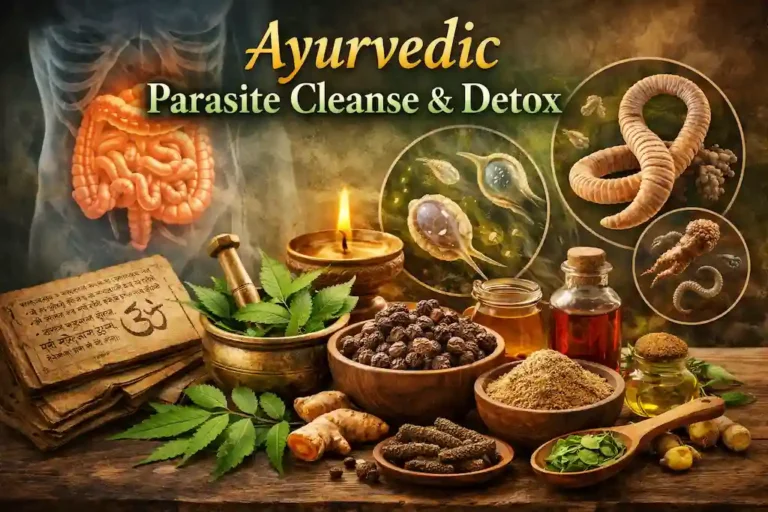
Introduction to Parasite Detox and Parasite Cleanse
Interest in parasite detox and parasite cleanse strategies has surged as more people report persistent digestive discomfort, fatigue, skin irritation, and unexplained brain fog. While social media often exaggerates the issue, genuine parasitic infections remain a global health concern, especially in regions with contaminated food and water. As a result, many individuals now seek safer, structured approaches that combine natural remedies with ayurvedic herbs for parasites.
At the same time, confusion surrounds what a true parasite cleanse should involve. Some protocols focus only on killing organisms, whereas a proper parasite detox also emphasizes clearing metabolic waste and restoring gut terrain. Without this second step, aggressive cleansing may disrupt digestion, weaken the microbiome, and leave the intestinal environment vulnerable to reinfection.
This is where Ayurveda offers a uniquely comprehensive model. Classical Ayurvedic medicine describes parasitic disorders under Krimi Roga, a condition rooted in weakened digestion and toxic accumulation. Therefore, treatment does not rely solely on eradication. Instead, therapies combine digestive restoration, targeted herbal support, and elimination procedures that naturally assist parasite detox processes while strengthening the body’s internal defenses.
To make this practical, this guide integrates three perspectives:
• Modern understanding of intestinal parasites
• Natural remedies that support parasite cleanse efforts
• Classical Ayurvedic medicine protocols, including krimighna herbs and purification therapies
Together, these approaches create a balanced path that supports parasite removal while protecting long-term gut resilience.
Section 1: What Are Parasites?
Parasites are organisms that survive by living on or inside a host, drawing nutrients at the host’s expense. Although many infections remain mild, others can significantly disrupt digestion, immunity, and energy levels. Consequently, individuals experiencing persistent gut issues often explore parasite cleanse strategies while also considering a structured parasite detox approach.
Intestinal parasites primarily affect the gastrointestinal tract. However, systemic symptoms may appear when toxin byproducts circulate in the bloodstream. Therefore, recognizing the type of organism involved is important before beginning any parasite detox protocol.
Main Categories of Human Parasites
| Type | Description | Common Examples | Typical Effects |
|---|---|---|---|
| Protozoa | Microscopic single-celled organisms | Giardia, Entamoeba | Diarrhea, cramps, dehydration |
| Helminths | Multicellular parasitic worms | Roundworms, tapeworms, hookworms | Malnutrition, abdominal pain, fatigue |
| Ectoparasites | Parasites living on skin surface | Lice, mites | Itching, rashes, skin irritation |
Because helminths are larger organisms, they are more commonly associated with visible symptoms that prompt parasite cleanse efforts. Protozoal infections, on the other hand, may persist quietly and are often overlooked until digestive inflammation becomes chronic.
How Parasitic Infections Occur
Transmission can happen through several everyday exposures. For example, contaminated water, undercooked food, poor sanitation, and international travel increase infection risk. Additionally, weakened digestive defenses make the intestinal environment more hospitable to invading organisms. In such cases, individuals may pursue both medical treatment and supportive parasite detox measures to help the body eliminate residual toxins.
Common exposure routes include:
• Drinking untreated water
• Eating improperly washed produce
• Consuming undercooked meat or seafood
• Contact with contaminated soil
• Poor hand hygiene
Common Symptoms That Raise Suspicion and Why A Parasite Detox Maybe Required
Symptoms vary depending on parasite type and immune response. Nevertheless, several warning signs frequently lead people to consider a parasite cleanse combined with gut restoration and parasite detox support.
Digestive signs:
• Bloating and excessive gas
• Irregular bowel movements
• Abdominal cramping
• Nausea after meals
Systemic signs:
• Persistent fatigue
• Brain fog and poor concentration
• Skin irritation or rashes
• Unexplained nutrient deficiencies
While these symptoms may suggest infection, they are not diagnostic on their own. Therefore, proper testing should precede any aggressive parasite detox protocol.
When Medical Treatment Is Essential vs. Parasite Detox At Home
Certain infections require prescription antiparasitic medications. This is particularly true for severe helminth infections, pediatric cases, and individuals with weakened immunity. Natural remedies and Ayurvedic medicine can support recovery; however, they should complement—not replace—appropriate clinical care.
Importantly, a medically guided approach reduces complications while allowing supportive therapies to enhance parasite cleanse outcomes and promote a safer parasite detox process.
Section 2: Parasite Cleanse vs Parasite Detox — Why the Difference Matters
Although the terms are often used interchangeably, a parasite cleanse and a parasite detox are not identical. Understanding the distinction is important because focusing on only one aspect may leave treatment incomplete. Therefore, an effective strategy should address both organism removal and internal terrain restoration.
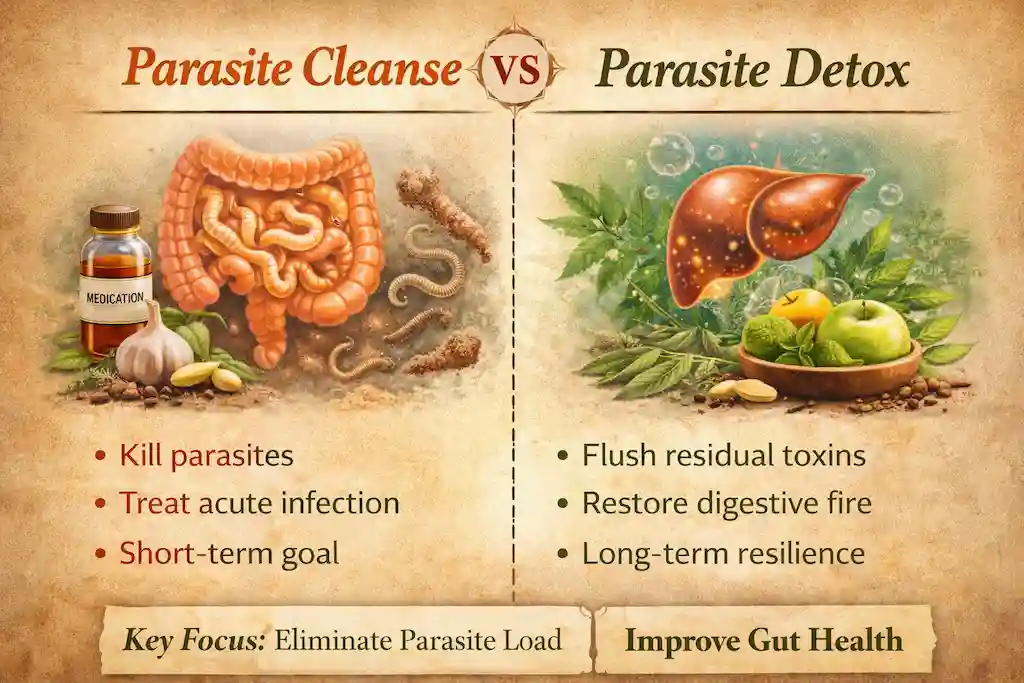
A parasite cleanse primarily targets the elimination of living organisms. In contrast, a parasite detox focuses on clearing the toxic byproducts parasites leave behind while also restoring digestive strength. Without proper detoxification support, waste materials may linger in the gut, contributing to inflammation, sluggish digestion, and microbial imbalance.
Core Differences Between Parasite Cleanse and Parasite Detox
| Aspect | Parasite Cleanse | Parasite Detox |
|---|---|---|
| Primary Goal | Remove parasites from body | Eliminate toxins and restore gut terrain |
| Focus Area | Organism eradication | Metabolic waste removal |
| Methods | Antiparasitic herbs, medications | Fiber support, liver support, bowel cleansing |
| Risk if Done Alone | Incomplete recovery | Organisms may remain active |
Because parasites disrupt nutrient absorption and release inflammatory waste, killing organisms alone does not complete recovery. Consequently, many people who attempt quick cleanses experience recurring symptoms. A structured parasite detox helps reduce this rebound effect by improving elimination pathways and rebuilding digestive resilience.
Why Killing Parasites Requires Parasite Detox Support
When parasites are destroyed, their cellular debris and metabolic toxins remain inside the intestines. As a result, the body must process and eliminate this material efficiently. If digestion is weak or bowel movements are irregular, toxins may recirculate instead of being expelled. Therefore, combining a parasite cleanse with a gradual parasite detox supports safer elimination.
Common detox-supportive measures include:
• Increasing soluble and insoluble fiber
• Maintaining hydration for toxin flushing
• Supporting liver metabolism
• Encouraging regular bowel movements
• Restoring beneficial gut bacteria
The Gut Terrain Principle
Parasites thrive in weakened digestive environments. Poor enzyme activity, sluggish metabolism, and microbial imbalance create favorable conditions for colonization. Therefore, strengthening digestion is essential for long-term prevention. A structured parasite detox emphasizes rebuilding this internal terrain so reinfection risk declines.
This terrain-based perspective closely parallels traditional Ayurvedic medicine, which views impaired digestion as the root of many disorders. Both systems recognize that eliminating pathogens is only one part of recovery.
Balanced Strategy
A comprehensive plan typically follows this progression:
Prepare digestion and elimination pathways
Remove parasites through targeted therapies
Continue parasite detox support to clear residual toxins
Rebuild microbiome and digestive strength
By addressing both parasite removal and toxin clearance, individuals experience more stable improvements and fewer recurrent symptoms.
Section 3: Natural Remedies for Parasites (Non-Ayurvedic Approaches)
Natural therapies can support parasite removal while preparing the body for a safer parasite detox. Although these remedies are not substitutes for medical treatment in severe infections, they may assist digestion, discourage parasite survival, and improve elimination. Therefore, many people use these approaches alongside conventional care and later transition into structured parasite detox programs.
Importantly, natural remedies work best when combined with dietary adjustments. Parasites depend on host nutrients, particularly simple sugars and poorly digested food residues. Consequently, modifying food choices can make the intestinal environment less favorable for infestation.
Dietary Strategies That Support Parasite Cleanse
Dietary correction is often the first step before beginning any parasite detox protocol. A cleaner digestive environment improves elimination and reduces inflammatory burden.
Helpful dietary measures:
• Increase fiber intake to support bowel clearance
• Reduce refined sugars that feed parasites
• Emphasize whole foods over processed meals
• Maintain hydration to assist toxin removal
• Include fermented foods for microbiome balance
Fiber is especially important because it binds intestinal waste and supports consistent elimination. Without adequate fiber, toxins released during a parasite detox may linger in the gut longer than intended.
Common Natural Herbs and Foods with Antiparasitic Properties
Several plant-based remedies have traditional use and emerging laboratory support. While potency varies, these options are frequently included in parasite cleanse routines and gentle parasite detox programs.
| Natural Remedy | Active Components | Proposed Action |
|---|---|---|
| Garlic | Allicin, sulfur compounds | May inhibit parasite metabolism |
| Pumpkin Seeds | Cucurbitacin | Traditionally used to expel intestinal worms |
| Papaya Seeds | Proteolytic enzymes | May damage parasite outer layers |
| Oregano Oil | Carvacrol, thymol | Broad antimicrobial activity |
| Wormwood | Bitter sesquiterpenes | Historically used for intestinal worms |
Garlic is widely used because its sulfur compounds create a hostile environment for intestinal organisms. Similarly, pumpkin seeds have a long history of use for expelling helminths due to their natural paralytic effects on worms.
However, strong herbal extracts should be used cautiously. Excessive dosing can irritate the gut lining, which complicates recovery and makes a later parasite detox more uncomfortable.
Microbiome Restoration
Parasites disrupt normal gut flora. Therefore, rebuilding microbial balance is essential after a parasite cleanse. Beneficial bacteria compete with harmful organisms and help regulate immune defenses. Supporting microbiome recovery also improves nutrient absorption and reduces inflammation during a parasite detox phase.
Supportive measures include:
• Probiotic supplementation
• Fermented foods like yogurt and kefir
• Prebiotic fibers that nourish beneficial bacteria
• Diverse plant-based diet
A resilient microbiome creates natural resistance against reinfection while improving digestive efficiency.
Lifestyle Practices That Reduce Reinfection Risk
Even the most thorough parasite cleanse may fail if exposure risks remain high. Therefore, preventive habits are essential to maintain results achieved through natural therapies and parasite detox protocols.
Key prevention practices:
• Wash produce thoroughly
• Avoid untreated water sources
• Cook meats completely
• Practice consistent hand hygiene
• Maintain clean food preparation surfaces
These measures reduce organism exposure while allowing the digestive system to recover fully.
Practical Role of Natural Remedies
Natural therapies are best viewed as supportive tools rather than standalone cures. They can weaken parasites, improve digestion, and prepare the body for more structured cleansing systems. When used responsibly, they also reduce the toxic burden that accumulates during parasite breakdown, making a supervised parasite detox more tolerable.
However, individuals with persistent or severe symptoms should seek diagnostic testing before relying solely on home remedies.
Section 4: The Ayurvedic Framework — Krimi Roga
Modern discussions often treat parasites as isolated infections. However, classical ayurvedic medicine approaches the problem from a broader systemic perspective. Rather than focusing solely on organism removal, Ayurveda classifies parasitic disorders under a specific disease category known as Krimi Roga. This framework explains why weakened digestion, toxic buildup, and impaired tissue defenses create an internal environment where parasites thrive.
Ancient Ayurvedic scholars documented Krimi Roga extensively in foundational texts such as the Charaka Samhita and the Sushruta Samhita. These texts describe parasite origin, classification, symptom patterns, and treatment principles with remarkable clinical detail. Therefore, ayurvedic medicine does not treat parasitic infection as a random event but as the outcome of specific physiological imbalances.
Classification of Parasites in Ayurveda
Ayurveda divides parasites into two primary groups based on their location and behavior.
| Category | Description | Modern Parallel |
|---|---|---|
| Abhyantara Krimi | Internal parasites living inside the body | Intestinal worms, protozoa |
| Bahya Krimi | External parasites affecting skin and tissues | Lice, mites, surface infestations |
Internal parasites receive greater clinical attention because they disturb digestion, nutrient absorption, and tissue metabolism. Consequently, most ayurvedic medicine protocols for parasites focus on restoring gastrointestinal balance.
Root Causes of Krimi Roga
Unlike modern models that emphasize exposure alone, Ayurveda highlights internal susceptibility. Parasites are considered opportunistic organisms that flourish when digestive and metabolic defenses weaken.
Primary causative factors include:
• Mandagni — weakened digestive fire leading to incomplete metabolism
• Ama — toxic metabolic residue from improperly digested food
• Poor intestinal elimination
• Excess mucus and stagnant digestive fluids
When digestion slows, metabolic waste accumulates. This toxic material, referred to as ama, creates a nutrient-rich environment favorable for parasite survival. Therefore, ayurvedic medicine emphasizes correcting digestion before attempting organism removal.
Symptom Patterns in Krimi Roga
Ayurvedic descriptions of Krimi Roga closely parallel modern gastrointestinal presentations. However, symptoms are interpreted through digestive and metabolic disturbances rather than isolated infection.
Common patterns include:
• Abdominal heaviness after meals
• Irregular appetite
• Excess salivation or nausea
• Itching around anal region
• Foul-smelling stools
• Fatigue and dullness
Skin disorders and allergic-type reactions are also described when toxins circulate beyond the gut. These systemic manifestations reinforce Ayurveda’s emphasis on detoxification alongside parasite elimination.
Conceptual Bridge to Modern Understanding
Both Ayurveda and contemporary gastroenterology recognize that gut terrain influences susceptibility to infection. A weakened digestive system, impaired enzyme activity, and microbial imbalance increase vulnerability. Therefore, ayurvedic medicine and modern functional medicine converge on the principle that restoring internal balance reduces reinfection risk.
This terrain-based view also explains why simply killing organisms may not resolve chronic symptoms. Without digestive correction, parasites may return or inflammatory toxins may persist.
Core Therapeutic Philosophy
Ayurveda manages Krimi Roga through a staged approach:
Restore digestive fire
Eliminate parasites using targeted herbs
Support toxin removal pathways
Rebuild tissue strength and immunity
This method naturally integrates with structured cleansing protocols while reducing strain on the gut.
Section 6: Classical Ayurvedic Formulations for Parasites
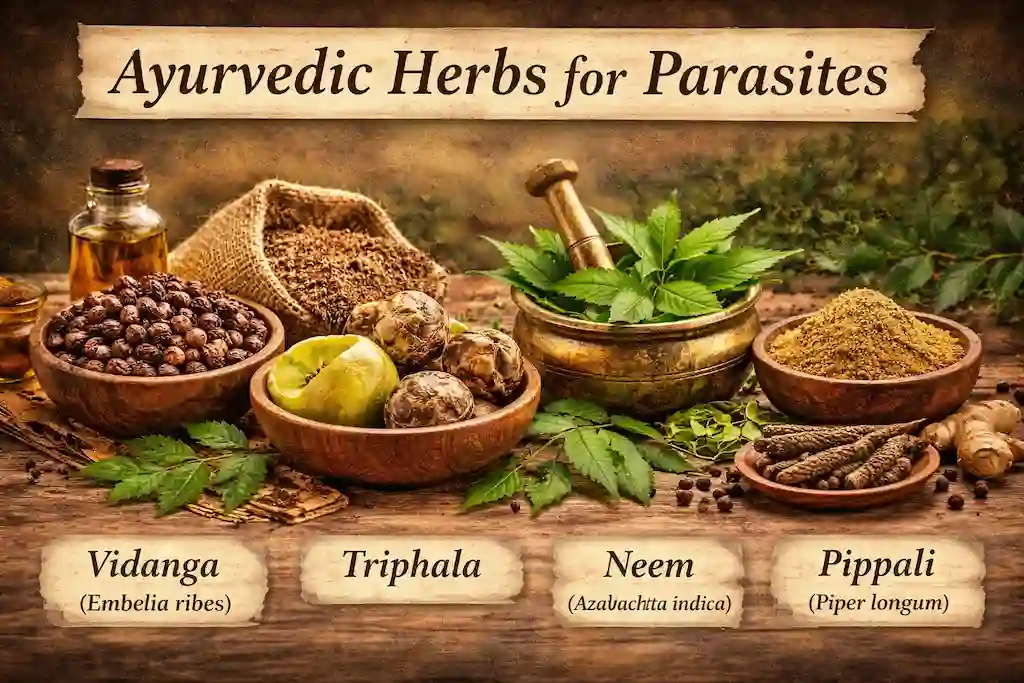
Beyond single herbs, ayurvedic medicine traditionally relies on compound formulations designed to enhance potency, improve absorption, and deliver synergistic effects. These classical preparations combine multiple ayurvedic herbs for parasites with digestive stimulants and detoxifying agents, creating broader therapeutic coverage than isolated remedies.
Because parasites weaken digestion and produce toxic byproducts, formulations are designed not only to target organisms but also to support elimination pathways. Therefore, these preparations play an important role alongside dietary correction and structured parasite detox programs.
Vidangasava / Vidangarishta — Fermented Antiparasitic Tonic
These traditional fermented preparations use Vidanga as the primary ingredient, supported by digestive and detoxifying herbs.
Key Features:
• Liquid herbal fermentation improves absorption
• Targets intestinal parasites directly
• Stimulates digestive metabolism
• Reduces toxin accumulation
Fermented preparations are often preferred in ayurvedic medicine because natural alcohol formation enhances bioavailability. As a result, smaller doses can deliver stronger therapeutic effects.
Krimisodhini Gulika — Classical Antiparasitic Tablet
Krimisodhini Gulika is a multi-herb tablet traditionally used to eliminate intestinal worms while restoring digestive balance.
Common Ingredients Include:
• Vidanga
• Neem
• Pippali
• Triphala
Therapeutic Roles:
• Direct parasite elimination
• Digestive fire restoration
• Reduction of intestinal toxins
• Support for bowel regularity
Because this formulation combines several ayurvedic herbs for parasites, it addresses multiple stages of infection simultaneously.
Triphala Churna — Daily Gut Cleanser
Triphala Churna is one of the most widely used powders in ayurvedic medicine. Although milder than targeted antiparasitic remedies, it supports intestinal cleansing and microbiome balance.
Benefits Include:
• Gentle bowel detoxification
• Removal of metabolic waste
• Support for healthy gut flora
• Long-term digestive regulation
It is frequently used during recovery phases following stronger herbal protocols or alongside gradual parasite detox programs.
Why Classical Formulations Matter
Single herbs can provide targeted effects; however, classical combinations offer broader digestive and metabolic support. Parasites compromise nutrient absorption, damage gut lining, and release inflammatory toxins. Therefore, ayurvedic medicine favors formulations that:
• Enhance herb synergy
• Improve digestive resilience
• Promote consistent elimination
• Reduce reinfection risk
This multi-layered strategy distinguishes classical protocols from simplified cleanse trends.
Comparison of Common Preparations
| Formulation | Preparation Type | Primary Purpose |
|---|---|---|
| Vidangasava | Fermented liquid | Direct antiparasitic + detox support |
| Krimisodhini Gulika | Herbal tablet | Parasite elimination + digestion support |
| Triphala Churna | Herbal powder | Gentle cleansing + microbiome restoration |
Role Within a Broader Plan
Classical formulations are typically introduced after digestive preparation. This ensures herbs act efficiently while minimizing discomfort. Additionally, structured elimination practices may follow to enhance toxin removal and complete the parasite detox process.
Section 7: Panchakarma Therapies for Parasite Detox
When parasitic burden is significant or toxins have deeply accumulated, ayurvedic medicine recommends purification procedures known as Panchakarma. These therapies are designed to eliminate aggravated doshas, cleanse metabolic waste, and restore digestive resilience. Unlike aggressive commercial cleanses, Panchakarma methods are gradual, supervised, and tailored to individual constitution.
Importantly, these therapies support a structured parasite detox by promoting intestinal cleansing while protecting digestive strength. Because parasites often lodge in the gastrointestinal tract, purification procedures focus on clearing the primary sites of accumulation.
Virechana — Therapeutic Purgation
Virechana is a controlled herbal purgation therapy that removes excess Pitta and intestinal toxins through the lower gastrointestinal tract. It is commonly recommended when parasites affect the small intestine or when inflammatory digestive symptoms are prominent.
Therapeutic Effects:
• Eliminates toxin buildup from intestines
• Supports liver and bile detox pathways
• Clears inflammatory metabolites
• Assists intestinal cleansing during parasite detox
Herbal purgatives are selected based on constitution and digestive strength. Therefore, this therapy is performed under clinical supervision within ayurvedic medicine settings.
Basti — Medicated Enema Therapy
Basti is considered one of the most powerful detoxification therapies in ayurvedic medicine because it directly targets the colon, where many intestinal parasites reside. Herbal decoctions and medicated oils are administered rectally to deliver therapeutic compounds locally.
Types of Basti Used in Parasite Management:
• Decoction enemas with antiparasitic herbs
• Oil enemas to soothe intestinal lining
• Combined protocols for cleansing and nourishment
Therapeutic Benefits:
• Direct colon cleansing
• Removal of accumulated waste
• Improved intestinal motility
• Enhanced absorption of herbal medicines
• Support for comprehensive parasite detox
Because delivery is localized, smaller doses achieve stronger intestinal effects with fewer systemic side effects.
Why Panchakarma Supports Parasite Detox
Parasites produce metabolic waste that lingers in the gut even after organisms are weakened. If these toxins remain, they may continue to irritate tissues and slow digestive recovery. Therefore, Panchakarma therapies assist the body’s natural elimination pathways and reduce toxic burden during a structured parasite detox.
Additionally, purification procedures restore digestive fire, which helps prevent reinfestation.
When Panchakarma Is Appropriate
These procedures are generally reserved for:
• Chronic digestive disorders
• Recurrent parasitic infections
• High toxin accumulation
• Poor response to mild therapies
However, Panchakarma is not intended for self-administration. Improper use may weaken digestion rather than strengthen it. Thus, qualified supervision is essential in ayurvedic medicine practice.
Safety Considerations
Not everyone is a candidate for purification therapies. Individuals who are elderly, pregnant, severely debilitated, or recovering from acute illness may require gentler approaches. Therefore, assessment of digestive strength, constitution, and overall health precedes therapy planning.
A phased approach often yields the best outcomes:
Digestive preparation
Herbal parasite management
Structured purification
Continued parasite detox support
Gut restoration and nourishment
Role in Comprehensive Care
Panchakarma therapies are best viewed as part of a broader recovery system. When integrated appropriately, they enhance herbal effectiveness, promote elimination, and stabilize digestive metabolism. This makes them valuable components of ayurvedic medicine protocols designed for deeper parasite detox support.
Section 8: Safety, Testing, and When to Seek Medical Care
Interest in parasite cleanse routines has grown rapidly; however, not every digestive symptom indicates infection. Bloating, fatigue, and irregular bowel movements may arise from food intolerance, microbiome imbalance, or inflammatory bowel conditions. Therefore, self-diagnosis followed by aggressive cleansing can sometimes create more harm than benefit. A cautious, evidence-informed approach improves safety while making any parasite detox more effective.
Why Proper Testing Matters
Before beginning intensive therapies, confirming infection helps guide treatment choices. Laboratory evaluation distinguishes parasitic disease from other gastrointestinal disorders and prevents unnecessary interventions.
Common diagnostic options include:
• Stool microscopy for ova and parasites
• Antigen detection assays
• PCR-based pathogen testing
• Blood tests for specific parasitic antibodies
Testing is especially important when symptoms are severe, persistent, or accompanied by fever, weight loss, or anemia. In such cases, medical therapy may be required before supportive parasite detox measures are considered.
Who Should Avoid Aggressive Cleansing
Certain individuals may be more vulnerable to complications from unsupervised cleansing therapies. Strong herbal regimens and intensive elimination practices can strain digestion and fluid balance.
Higher-risk groups include:
• Pregnant or breastfeeding individuals
• Young children
• Elderly adults
• People with chronic gastrointestinal disease
• Individuals with weakened immunity
• Patients recovering from surgery or severe illness
These populations benefit from professional evaluation before attempting parasite cleanse strategies or structured parasite detox protocols.
Potential Risks of Improper Parasite Detox
Unsupervised detoxification may produce uncomfortable or unsafe reactions. Rapid toxin mobilization without adequate elimination pathways can worsen symptoms rather than relieve them.
Possible complications include:
• Severe diarrhea and dehydration
• Electrolyte imbalance
• Abdominal cramping
• Nutrient malabsorption
• Worsening fatigue
Therefore, gradual approaches that support hydration, mineral balance, and digestive strength are preferred during any parasite detox program.
Integrative Care Is Often Best
Combining modern diagnostics with traditional supportive therapies yields more balanced outcomes. Prescription medications may eliminate active infections quickly, while diet, natural remedies, and ayurvedic medicine can help restore gut resilience afterward.
An integrative strategy may include:
Diagnostic confirmation
Targeted medical therapy if required
Supportive dietary correction
Gentle herbal protocols
Monitored parasite detox for toxin clearance
Microbiome restoration
This layered approach reduces reinfection risk while improving digestive recovery.
Warning Signs That Require Immediate Medical Attention
While mild symptoms may be monitored, certain signs indicate urgent evaluation:
• Persistent high fever
• Severe abdominal pain
• Blood in stool
• Continuous vomiting
• Rapid weight loss
• Signs of dehydration
Prompt treatment prevents complications and ensures that supportive parasite detox measures are introduced safely at the appropriate stage.
Key Safety Principle
Effective recovery depends on matching therapy intensity to individual strength and disease severity. Quick-fix cleanses may appear appealing; however, sustainable healing requires digestive support, toxin elimination, and professional guidance when necessary.
A careful approach ensures parasite cleanse efforts improve health rather than disrupt it.
 Google