
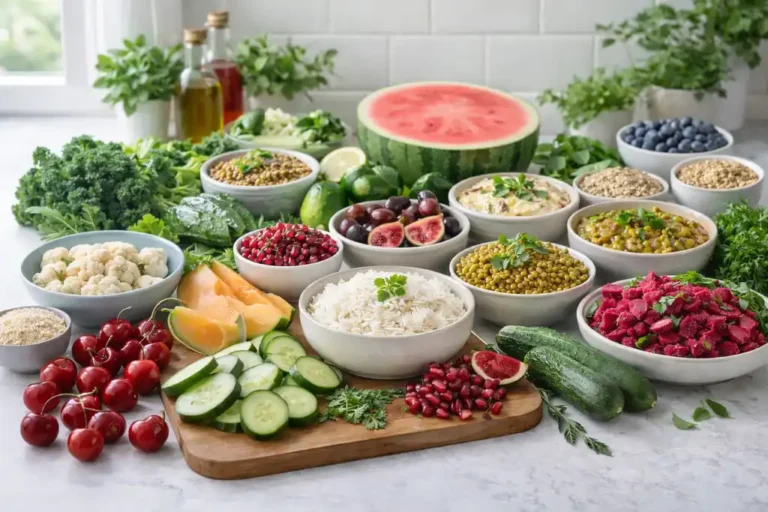
Feeling overheated, “hangry,” acidic, inflamed, or like your body runs a little too hot—especially under stress? If so, Pitta cooking can be just as important as the ingredients you choose. The right cooking style makes meals feel cooler and steadier—less “heat + intensity,” more calm and clear.
Pitta is the dosha of transformation. When it’s high, your body often responds best to food that’s hydrating, mildly spiced, and naturally cooling—without relying on iced meals or bland food. This guide shares a practical how to cook for Pitta approach through 10 simple Pitta cooking tips—so your meals support balance without extinguishing your appetite.
Table of Contents
ToggleHow to use these Pitta cooking tips
Keep it simple:
Best (most days): cooling cooking methods that don’t increase heat or acidity
Okay sometimes: warmer methods when you keep spice/salt/sour moderate
Limit (occasionally): charred, fried, very spicy, very salty, vinegar-heavy cooking habits
One rule that changes everything for Pitta:
Cooling doesn’t mean cold—room temperature and lightly warm meals often calm Pitta better than iced foods.
Before you copy these Pitta cooking tips… read this
This article is written for people searching “Pitta cooking,” but here’s the nuance that changes everything: most people are not purely Pitta. You’re typically a combination (Pitta-Vata or Pitta-Kapha), and your current state can be very different from your birth constitution.
Example: you might be born Pitta-Vata, but right now be running a strong Pitta imbalance from heat, stress, spicy food habits, alcohol, overtraining, or poor sleep. In that case, even “healthy” cooking methods can land differently (especially if you go too raw/cold or too spicy).
So treat these as Pitta cooking principles—not your personal final plan.
So treat these as Pitta cooking principles—not your personal final plan. A suggestive list of Pitta foods or Pitta diet can be found in our other articles.
To check your own birth and current body type (or dosha), take the Ayurveda dosha test.
Pitta cooking tip 1: Cool doesn’t mean cold
Iced food isn’t required for a Pitta reset.
Best (most days):
lightly warm meals
room-temperature water
hydrating foods prepared gently
Limit:
relying on iced drinks all day
cold-only meals that leave you hungry later
Pitta cooking tip 2: Avoid charring and “burnt heat”
Pitta is already hot. Burnt and blackened food adds more heat quality.
Best cooking styles for Pitta:
steaming
simmering
poaching
blanching
gentle sauté
Okay sometimes:
grilling if you avoid charring and keep spice moderate
Pitta cooking tip 3: Use herbs for flavor (more than heat)
Pitta doesn’t need bland food. It needs cool flavor.
Best (most days):
cilantro
mint
dill
parsley
basil (if you like it)
How to use:
stir in at the end
blend into sauces
use as “green garnish” instead of hot sauce
Pitta cooking tip 4: Reduce sour and salty stacking
Sour + salty + spicy is the classic Pitta “heat stack.”
Watch these habits:
vinegar-heavy dressings
very salty marinades
pickles with every meal
hot sauce + extra salt
Better swaps:
gentle citrus (small amounts)
herb sauces
coconut-based or yogurt-based cooling sauces (if tolerated)
Pitta cooking tip 5: Use oils moderately (avoid greasy cooking)
Too much oil can increase heat and heaviness.
Best (most days):
olive oil (moderate)
ghee (small amounts)
coconut oil (if it feels cooling)
Limit:
deep frying
greasy sautéing
heavy cream-based sauces as a default
Pitta cooking tip 6: Favor “water-based” cooking methods
These naturally cool the overall meal.
Best methods for Pitta:
soups
stews (mild spice)
simmered grains and legumes
poached proteins
Result:
less dryness
less heat
steadier digestion
Pitta cooking tip 7: Spice smart (cooling spices over hot spices)
Pitta benefits from spices—just not constant fire.
Best (most days):
coriander
fennel
cardamom
turmeric
cumin (moderate)
Okay sometimes:
black pepper (moderate)
Limit:
chili/cayenne as a daily identity
“extra hot” everything
Pitta cooking tip 8: Balance protein with cooling sides
Protein isn’t the issue. Heat stacking is.
Make it Pitta-friendly by pairing protein with:
cucumber
leafy greens
cooked zucchini/asparagus
grains like basmati rice or quinoa
herb-forward sauces
Limit:
spicy protein + salty sauce + fried side (triple stack)
Pitta cooking tip 9: Keep meals satisfying to prevent rebound cravings
If meals are too light, Pitta hunger comes back hard.
Build “clean satisfaction” with:
vegetables + grains + protein
moderate fats
hydrating components (soups, sauces)
Avoid:
tiny salads that lead to snack attacks
skipping meals and then overeating later
Pitta cooking tip 10: Use a seasonal cooking strategy (especially summer)
Heat outside amplifies heat inside.
In hot months, lean toward:
lighter cooking methods (steam/simmer)
more hydrating foods
more herbs, fewer hot spices
less fried food and alcohol
In cooler months:
you can go warmer—just keep spice/sour/salt moderate
Best cooking methods for Pitta (quick list)
Use these most often:
steam
simmer
poach
blanch
gentle sauté
light stir-fry (mild spice)
Use these with balancing:
grill without charring
roast without heavy spice and pair with hydrating sides
Not sure if you’re “really” Vata?
If you’re searching for Pitta cooking, chances are you want clarity fast. But here’s the truth: most people aren’t just Pitta.
You’re usually a blend (Pitta-Vata or Pitta-Kapha), and a proper plan needs to account for both:
- your birth constitution (prakriti) — your baseline blueprint
- your current imbalance (vikriti) — what’s happening right now based on stress, sleep, digestion, season, routine, and lifestyle
That’s why two people can both identify as “Pitta” and still need very different spice levels, cooking methods, and meal timing.
If you want a plan that actually fits your body (not just generic tips):
👉 Start the Pitta Dosha Management Course (for the full Pitta-specific system)
or
👉 Download the Ayurveda App to get the diet built in and use AI Chef to generate recipes tailored to your constitution + current imbalance.
Conclusion: Cooking to Cool Pitta, One Meal at a Time
Pitta cooking is about lowering the heat without lowering satisfaction. When meals are hydrating, herb-forward, mildly spiced, and cooked gently, digestion becomes smoother and your energy feels focused instead of fiery.
Ayurveda does not aim to control the body. It teaches how to listen, respond, and support it intelligently. When your cooking aligns with Pitta’s needs, balance becomes a daily experience—not a constant pursuit.
References
- Medical News Today: What are Ayurvedic diet plans?
FAQs: Pitta cooking (How to cook for Pitta)
What is Pitta cooking?
What are the best cooking methods for Pitta?
Can Pitta eat spicy food?
What spices are best for Pitta cooking?
Why do Pitta cooking tips differ for different people?

Dr. Amit Gupta, M.D.
Dr. Amit K. Gupta, MD is a Harvard- and Boston University–trained physician dedicated to bridging modern clinical medicine with the ancient wisdom of Ayurveda. He founded CureNatural to make Ayurveda clear, personalized, and credible. His work focuses on digestion, daily routine (dinacharya), and metabolic balance—using practical food and lifestyle guidance you can actually follow.
Over more than 25 years in health promotion, he received the U.S. DHHS Secretary’s Award for innovations in disease prevention and contributed patented work that helped lay the foundation for Health Savings Accounts (HSAs).
 Google