

Remedies for Brain Fog & to Prevent Burnout: A Foggy Mind Leads to A Burnout
Brain fog is one of the most frustrating and misunderstood experiences of modern life. That heavy, slow, clouded thinking that makes even simple tasks feel difficult — it is not laziness, and it is not just stress. Moreover, if you consistently ignore it, brain fog is often the first step toward full burnout. Understanding the connection between these two conditions is, therefore, the key to finding lasting remedies for brain fog and learning how to genuinely prevent burnout before it takes hold.
Ayurveda, the 5,000-year-old science of life, identified this exact pattern long before modern medicine had a name for it. According to Ayurvedic principles, brain fog and burnout are not separate problems — they are two stages of the same energetic imbalance. Consequently, treating them requires the same root-cause approach rather than surface-level fixes.
In this article, you will discover how Ayurveda explains both conditions, which body types are most vulnerable, and what tools — from herbs and food to rhythm and routine — can help you recover and protect your mental clarity for the long term.
Part One: Remedies for Brain Fog — Understanding the Vata Disturbance
What Is Brain Fog, Really?
Brain fog is not a medical diagnosis. Rather, it is a cluster of symptoms that signal your nervous system is overwhelmed and undernourished. Common signs include:
- Difficulty concentrating or thinking clearly
- Forgetfulness and poor short-term memory
- Mental fatigue even after adequate sleep
- Slowed thinking and poor decision-making
- A sense of mental “static” or disconnection from the present
While modern medicine often links brain fog to inflammation, gut dysbiosis, or hormonal imbalance, Ayurveda traces it to a single upstream cause: excess Vata energy destabilizing the nervous system.
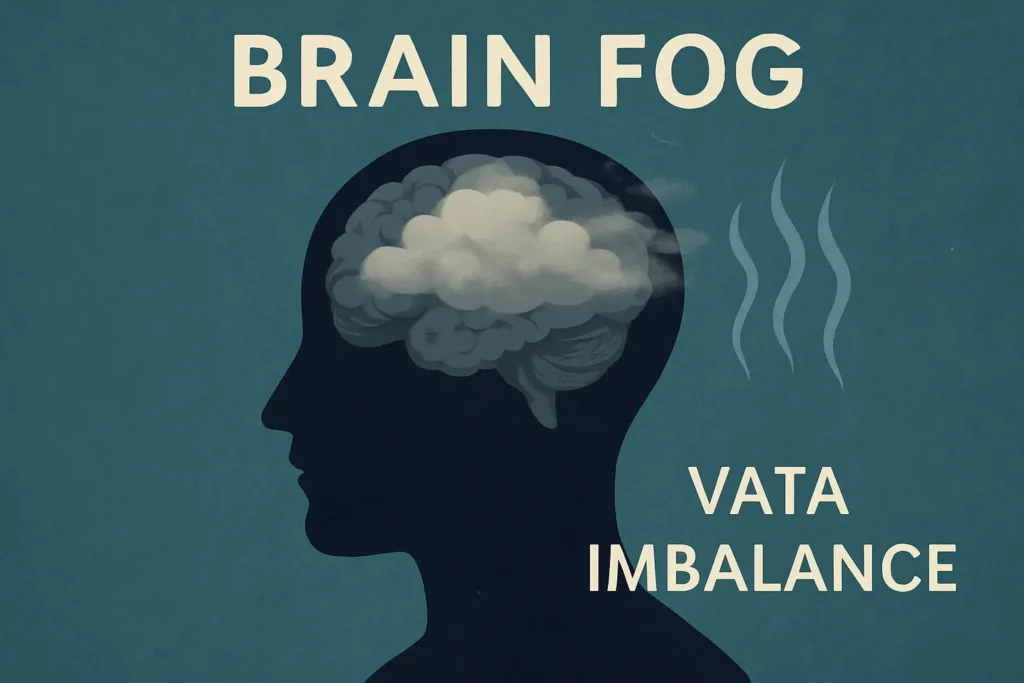
Vata: The Wind Energy Behind Brain Fog
Vata is the wind-and-movement energy in Ayurveda. It governs all nerve impulses, thoughts, sensory processing, and mental speed. When Vata is balanced, the mind is sharp, creative, and clear. However, when Vata becomes excessive, the mind behaves like a strong wind: scattered, erratic, and depleting. To understand your natural Vata tendencies, it helps to first explore your Ayurvedic body type, since Vata-dominant individuals are particularly prone to early and persistent brain fog.
Excess Vata in the nervous system produces exactly the symptoms people describe as brain fog. Furthermore, because Vata also governs digestion, an aggravated Vata weakens digestive fire — creating a cycle where poor nutrient absorption further starves the brain of what it needs to function at full capacity.
What Triggers Vata Overload?
Modern life is, in many ways, a recipe for Vata aggravation. The most common triggers include:
- Irregular sleep and wake times
- Skipping meals or eating at inconsistent times
- Constant screen exposure and digital overstimulation
- Chronic multitasking and mental busyness
- Juggling too many tasks “in the head” without a clear plan
- Unmanaged stress without adequate recovery
- Cold, dry, or overly stimulating environments
Each of these factors pushes Vata higher. Because the nervous system is the first to reflect Vata imbalance, brain fog appears early — often weeks or months before other symptoms emerge. This is also why disrupted sleep is one of the strongest predictors of brain fog: it is both a cause and a consequence of Vata excess.
Ayurvedic Remedies for Brain Fog: The Key Areas
The most effective remedies for brain fog work by calming Vata, rebuilding digestive strength, and grounding the nervous system. While a fully personalized approach depends on your body type and current imbalance level, these areas apply broadly.
1. Stabilize Your Daily Rhythm
Vata thrives on irregularity and calms immediately with routine. Therefore, one of the most powerful remedies for brain fog is establishing a consistent daily schedule. Waking, eating, and sleeping at the same times each day signals safety to the nervous system. Ayurveda calls this Dinacharya — the daily rhythm. Building a daily routine suited to your body type is one of the fastest ways to reduce Vata and begin clearing mental fog.
2. Anchor Your Meal Times
Ayurveda considers strong digestion the foundation of mental clarity. When you eat irregularly, skip meals, or constantly graze, digestive fire becomes unstable — and the brain suffers directly as a result. To begin rebuilding clarity, eat three warm, cooked meals at consistent times, make lunch your largest meal, and avoid eating late at night.
3. Herbs That Target Brain Fog Directly
Several Ayurvedic herbs are especially effective as remedies for brain fog. Rather than stimulating the brain artificially, these herbs nourish and steady the nervous system at a root level:
- Brahmi (Bacopa monnieri) — the premier herb for mental clarity, memory, and nervous system calm
- Ashwagandha — reduces cortisol, rebuilds resilience, and steadies an overactive Vata mind
- Shankhpushpi — supports focus, recall, and sleep quality simultaneously
- Triphala — restores digestive health, which directly clears mental fog over time
The right herb, dosage, and timing varies significantly by body type. Consequently, a personalized herbal plan will always outperform a generic supplement approach.
|
Part Two: How to Prevent Burnout — When Vata Meets Fire
Brain Fog Is the Warning. Burnout Is What Happens When You Ignore It.
Think of a fireplace. A steady fire burns cleanly and provides warmth. Now direct a strong wind at that same fire — it intensifies, spreads, and rapidly consumes everything around it. In Ayurveda burnout theory, Vata is the wind and Pitta is the fire. When an already-aggravated Vata combines with an overstimulated Pitta, the result is not simply fatigue. Instead, it is a systemic collapse of energy, motivation, and mental function that rest alone cannot fix. To prevent burnout, burn the fog out before it becomes a burnout for you.
This is why so many high performers experience burnout in a very specific pattern: they feel wired, pressured, and irritable first — and then they crash. Moreover, because Pitta types are naturally ambitious, intense, and driven, they often push past the early brain fog warning signs. As a result, they are among the most vulnerable to deep, prolonged burnout.
Recognizing the Vata-Pitta Burnout Pattern to Understand how to Prevent Burnout
The combined Vata-Pitta burnout pattern is the most common form among modern professionals and entrepreneurs. Understanding where you sit on this spectrum is the first step toward knowing how to prevent burnout from advancing further.
| Early Stage — Brain Fog (Vata) | Advanced Stage — Burnout (Vata + Pitta) |
| Mild forgetfulness and mental static | Cognitive shutdown, can’t retain anything |
| Disrupted sleep, waking around 3 AM | Insomnia despite complete exhaustion |
| Scattered thinking | Inability to focus or make decisions |
| Mild anxiety and restlessness | Overwhelm, irritability, anger outbursts |
| Reduced creativity and spark | Loss of purpose and total motivation collapse |
| Irregular digestion | Inflammation, acid reflux, gut dysfunction |
Recognizing which stage you are in helps you choose the right intervention. Furthermore, catching the pattern at the brain fog stage is precisely how you prevent burnout from reaching the advanced column.
Body Types That Are More Prone and Must Do More to Prevent Burnout
While any body constitution can experience burnout, Pitta-dominant types are particularly at risk. Pitta individuals are naturally goal-oriented, competitive, and highly productive — strengths that become liabilities when Vata rises and fans their internal fire out of control. Similarly, Vata-dominant types reach burnout through a different route: they scatter energy across too many directions until the nervous system simply gives out. Understanding your body constitution is, therefore, the foundation of any effective prevention strategy.
The Gut-Brain Connection in Ayurveda Burnout
One of the most important and overlooked aspects of Ayurveda burnout is the relationship between the nervous system and digestion. When Vata overloads the nervous system, it steals metabolic energy from the gut. Ayurveda calls this the “stealing of fire” — digestive flame weakens, toxins accumulate, and the entire body slows down. This is why burnout so often arrives alongside bloating, fatigue after meals, hormonal disruption, and a general heaviness that feels impossible to shake.
Rebuilding digestive fire is therefore not optional in burnout recovery — it is foundational. Without restoring Agni, no amount of rest or supplementation will fully reverse the depletion.
Herbs for Burnout: Supporting Recovery at the Root
The herbs for burnout must work deeper than brain fog herbs alone — they need to simultaneously calm Vata, cool Pitta, and rebuild depleted vital reserves. The most important herbs for burnout in Ayurveda include:
- Ashwagandha — the foundational adaptogen for burnout recovery; lowers cortisol and rebuilds stamina
- Shatavari — balances hormonal stress and emotional depletion, especially critical for Pitta types
- Licorice root — restores adrenal resilience and counters the fatigue of prolonged high-output stress
- Brahmi — calms the overstimulated nervous system and rebuilds mental endurance from within
- Chyawanprash — the classical Ayurvedic formula for rebuilding Ojas, the body’s deep vitality reserve
As with brain fog remedies, the specific herbs for burnout that will work best depend on your dominant dosha, the severity of imbalance, and even the current season. A generic protocol can provide support — but a personalized one heals.
How to Prevent Burnout: Three Pillars of Ayurvedic Protection
Preventing burnout is not about doing less — it is about doing everything with more energetic intelligence. Ayurveda offers three core pillars to prevent burnout sustainably:
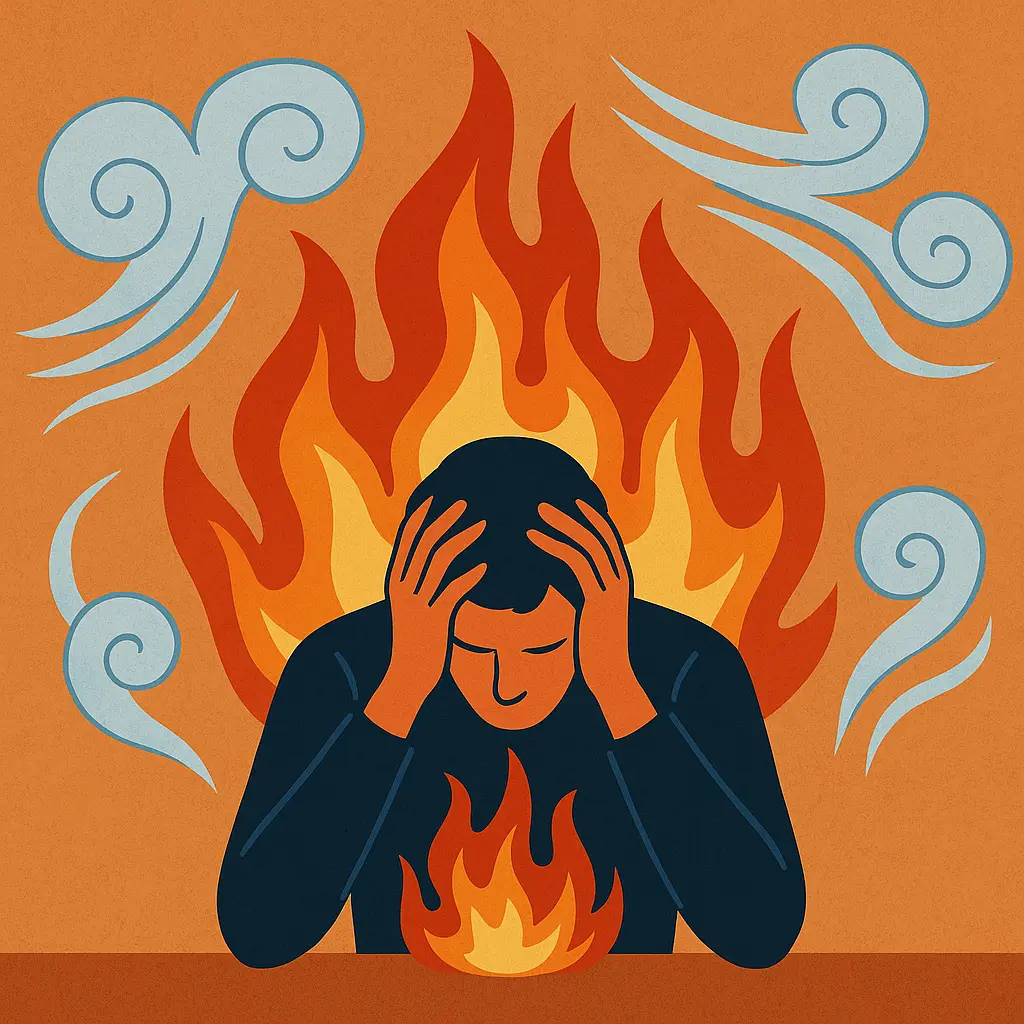
Pillar 1 — Build a Daily Rhythm (Vata Regulation) to Prevent Burnout
Because Vata is calmed by regularity, the single most powerful structural tool to prevent burnout is a consistent daily rhythm. Fixed wake and sleep times, structured meal windows, and scheduled recovery periods built into every day — not just weekends — are essential. Without this rhythm, even the best herbs and foods cannot hold the ground they gain.
Regularity is also needed in your daily work and tasks. If you keep everything in your head, don’t write your to-do tasks, don’t plan your day, then you are likely to burnout. The task-shifting in the head never stops as there is always a lingering thought about something you didn’t do. Those thoughts are not “prioritized”. They are simply a to-do list of things you think you need to do.
If you find that your concentration shifts throughout the day from major tasks you’re working on to some minor task that you “just thought about”, then that is a clear sign you are at risk of burnout. Task regularity and planning along with your Ayurvedic daily routine is critical to establish to prevent burout.
Pillar 2 — To Prevent Burnout, Cool the Fire Before It Spreads (Pitta Management)
Pitta-dominant individuals especially need deliberate cooling practices woven throughout their week. These include cooling foods such as coconut, cucumber, mint, and basmati rice; avoiding peak-heat exercise during midday; building in creative or playful activities that are not goal-oriented; and practicing Sheetali (cooling breath) to directly reduce internal heat. The goal is not to dim ambition — it is to channel it sustainably without burning out.
Pillar 3 — Protect Deep Sleep (Ojas Rebuilding)
Restorative sleep is where your vital energy reserve — Ojas — is rebuilt each night. Without it, both Vata and Pitta escalate rapidly, and the road to burnout shortens considerably. Ayurveda recommends being asleep before 10 PM, keeping the bedroom free of screens and stimulation, and using calming evening rituals to wind the nervous system down before sleep. One may need sleep remedies, which is fine to restore timely sleep until the natural rhythm of the body is restored.
The Ready-Made Prevent Burnout Solution: Stop Guessing and Start a Plan Built for Your Body
Understanding Ayurveda burnout and finding the right remedies for brain fog is one thing. Consistently applying that knowledge within the real demands of a busy life is another. This is precisely why most people who read about Ayurveda still struggle — they treat it as a checklist of tips rather than a living, personalized system.
CureNatural’s Ayurveda Mobile App was built to solve exactly this. Rather than guessing which herbs, routines, meal times, and activities are right for you, the app starts with a detailed body type assessment and then builds your complete personalized wellness plan automatically. For Pitta types especially — who need external structure to contain their internal fire — the app functions as a daily rhythm guide that prevents the Vata-Pitta storm before it ignites.
If you prefer a deeper learning experience, CureNatural’s courses walk you through the full Ayurvedic framework for your specific constitution — so you understand not just what to do, but exactly why it works for your body.
Ready to stop guessing how to put a routine together? Then start with a plan built for your body type or learn with our courses how to do it yourself.
→ Explore the CureNatural Ayurveda Mobile App: No guesswork, just take the body type test and get a plan specifically personalized for you. Along with personal food guide, herbal support, AI Chef for recipe suggestions, anytime you need remedies and more.
→ Explore Our Pitta Dosha Management Course: a course designed to keep you cooled and balanced to prevent burnouts.
→ Explore Our Digestion Management Course: an important aspect to manage burnouts.
Conclusion: Catch the Fog Before It Becomes the Fire
Brain fog is not something to push through. Instead, it is a clear and early signal from your nervous system that Vata is rising and your energy reserves are thinning. If you act on that signal — through grounding routines, warm nourishing food, consistent sleep, and the right herbs — you can prevent burnout from forming in the first place.
If the fog has already progressed and Ayurveda burnout has set in, recovery is entirely possible. It requires patience, a personalized approach, and a willingness to rebuild from the inside out rather than simply resting and returning to the same patterns.
Either way, the path forward begins with one step: understanding your body type, your dominant imbalance, and the specific tools that will work for your unique constitution. Everything else follows naturally from there.
References
van Dam, A. (2021). A clinical perspective on burnout: diagnosis, classification, and treatment of clinical burnout. European Journal of Work and Organizational Psychology, 30(5), 732–741.

 Google